July7th to 28th August 2026

A Summer Miscellany
At the very end of this post you'll find out what keeps me out of mischief during that quiet period for birding when some birders turn to butterflies. What do I do? Have a look or, for those not interested, just move on!
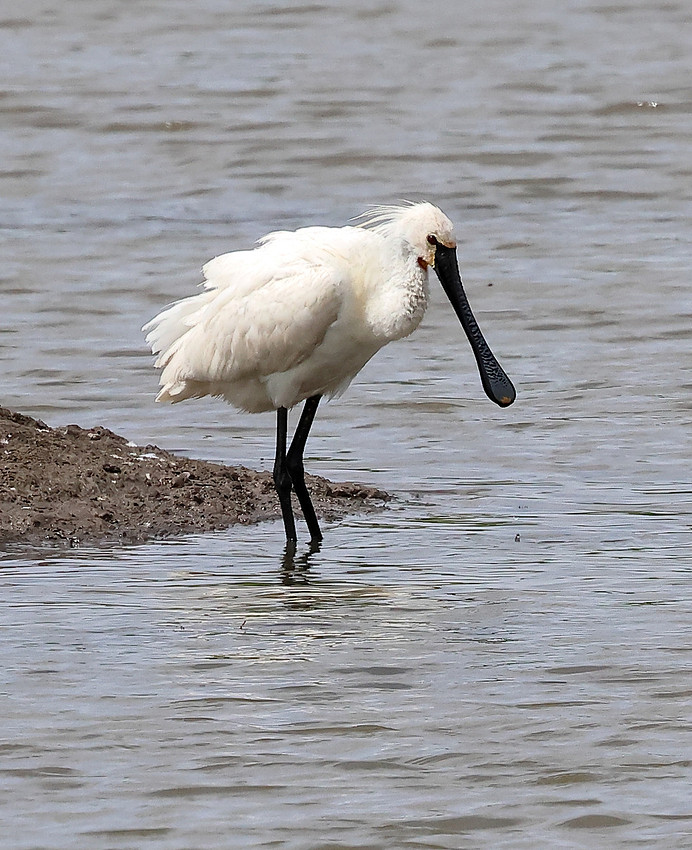
July 7th: Blacktoft Sands

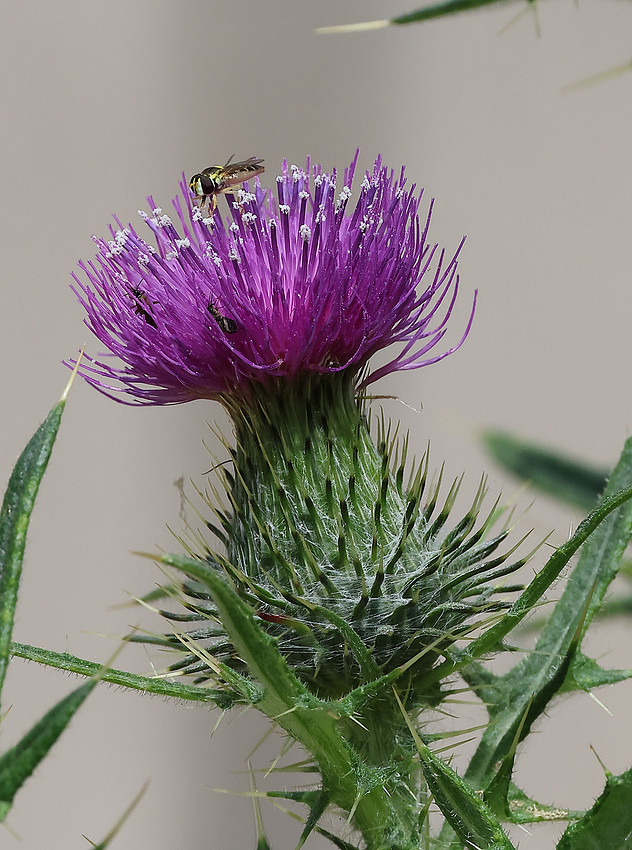
Spear thistle with hover fly
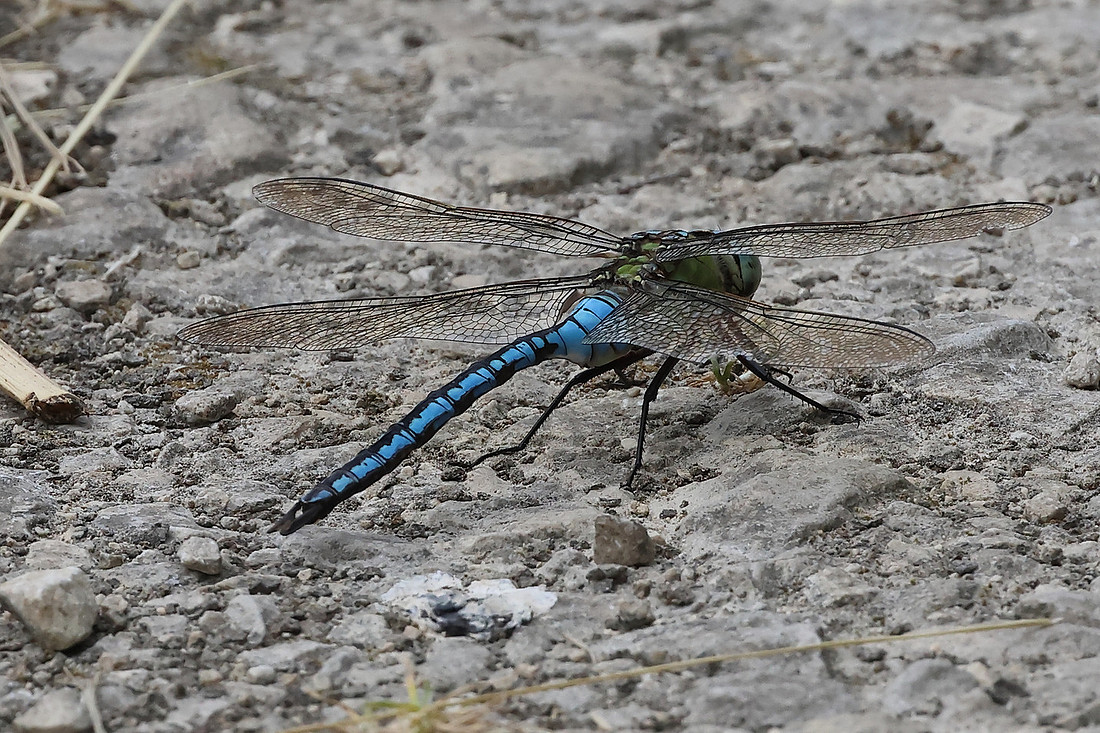 Migrant hawker dragonfly
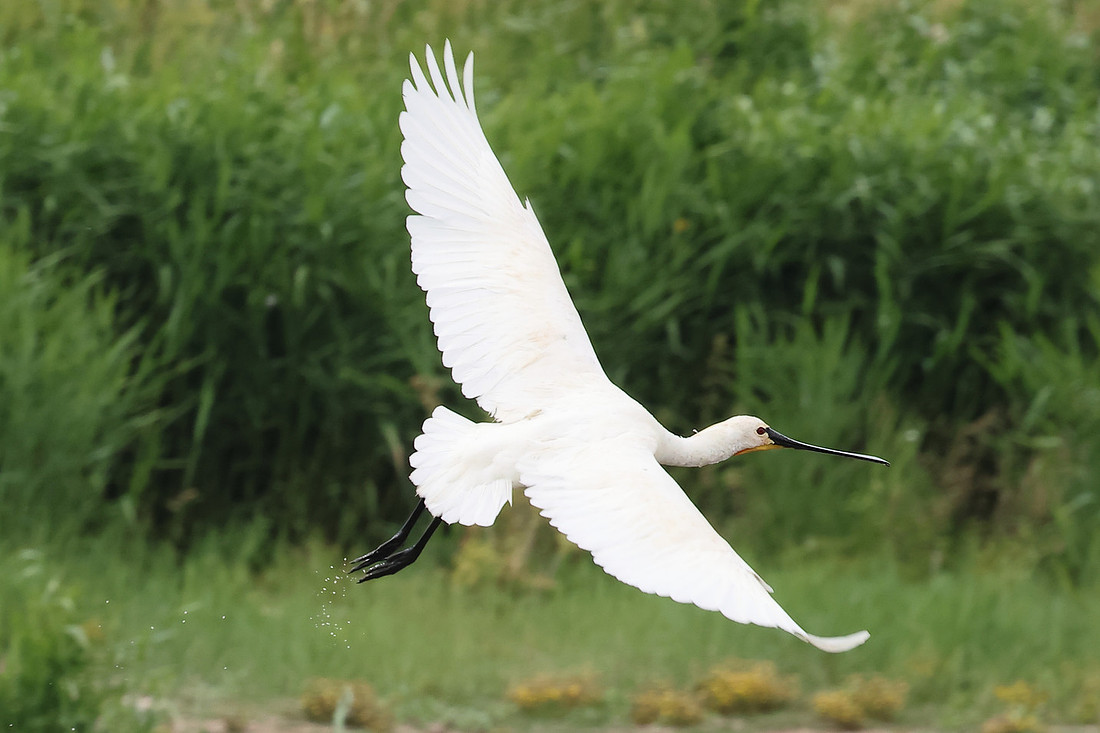
July14th: Blacktoft
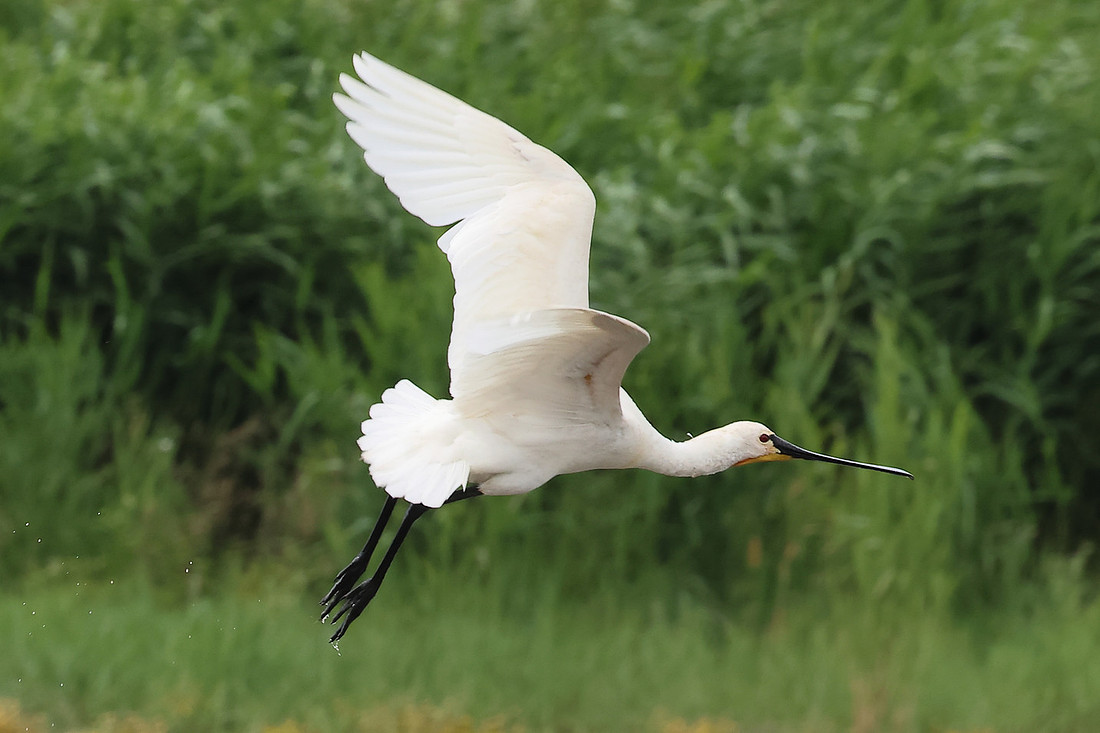
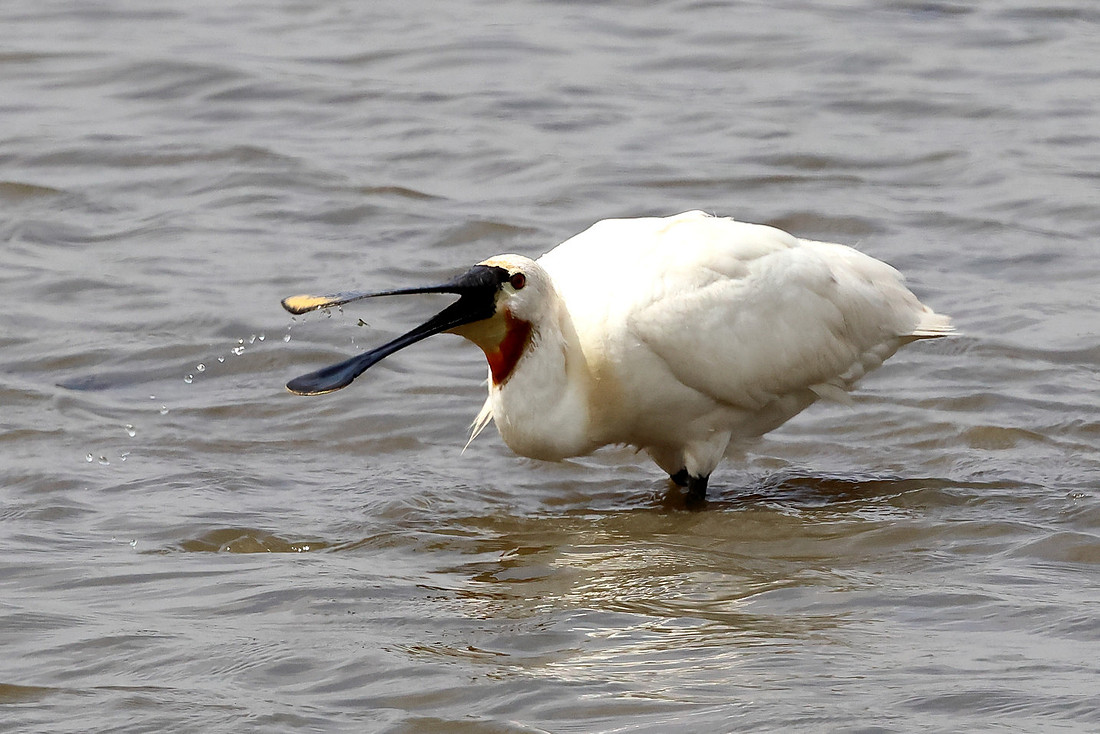 Nosterfield - July 17th
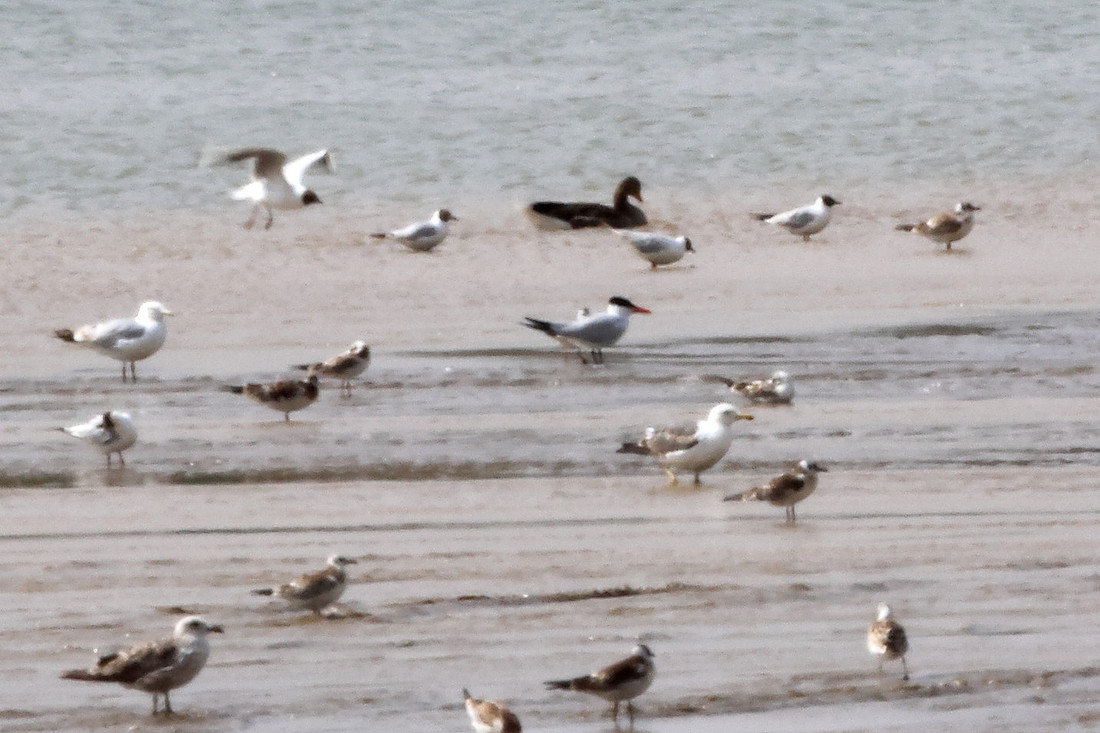 Very distant caspian tern.
July 22nd: Seaton Carew
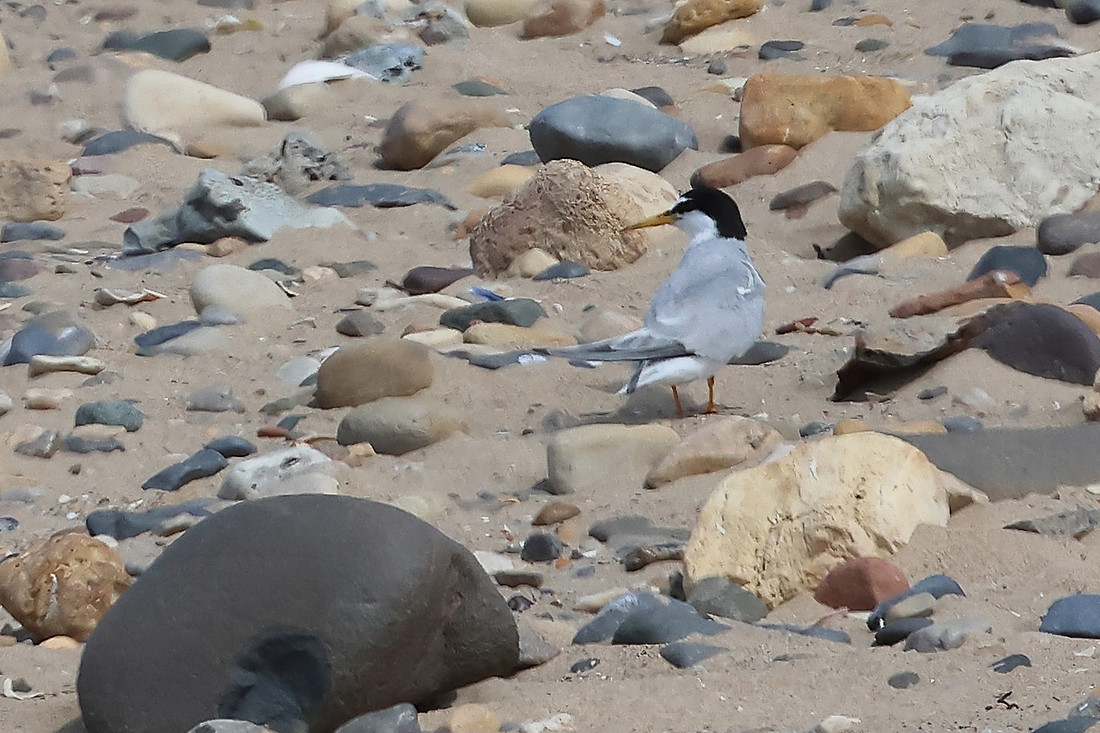
Little tern
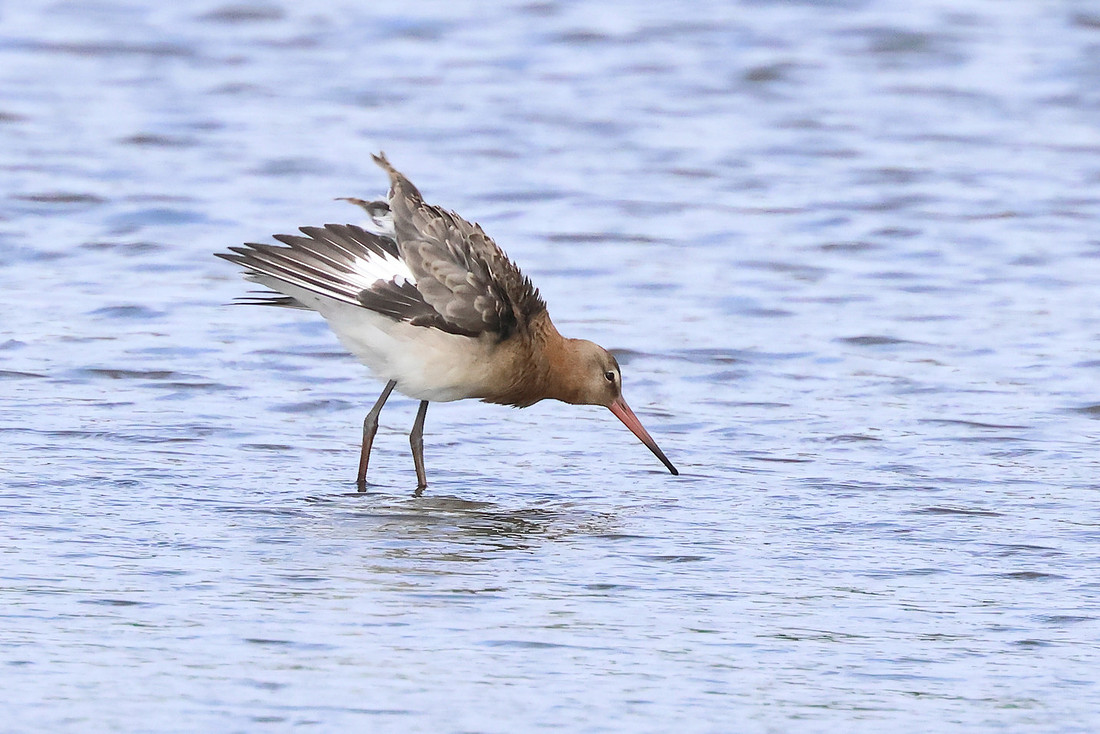
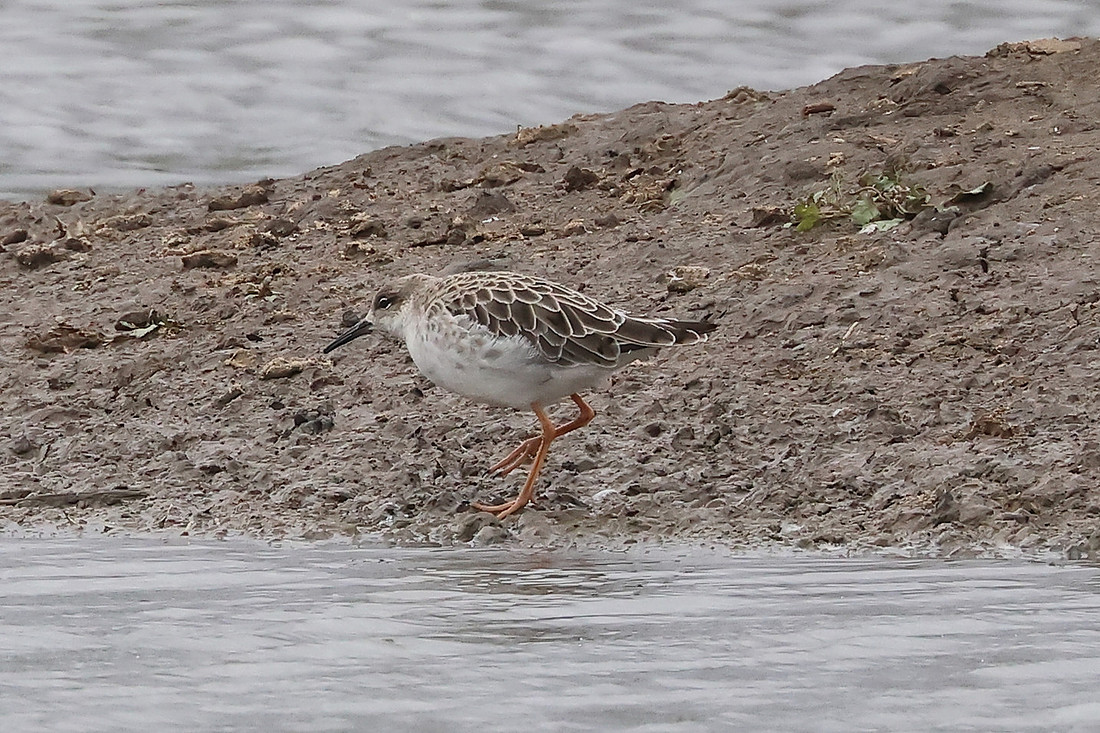
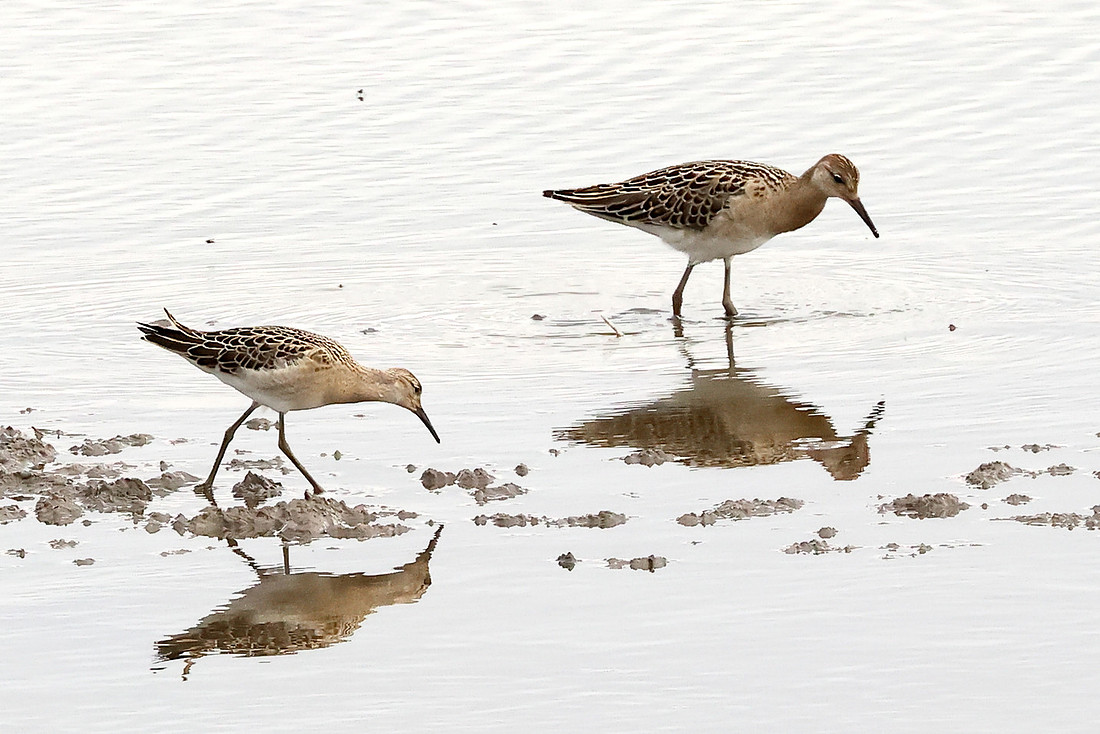
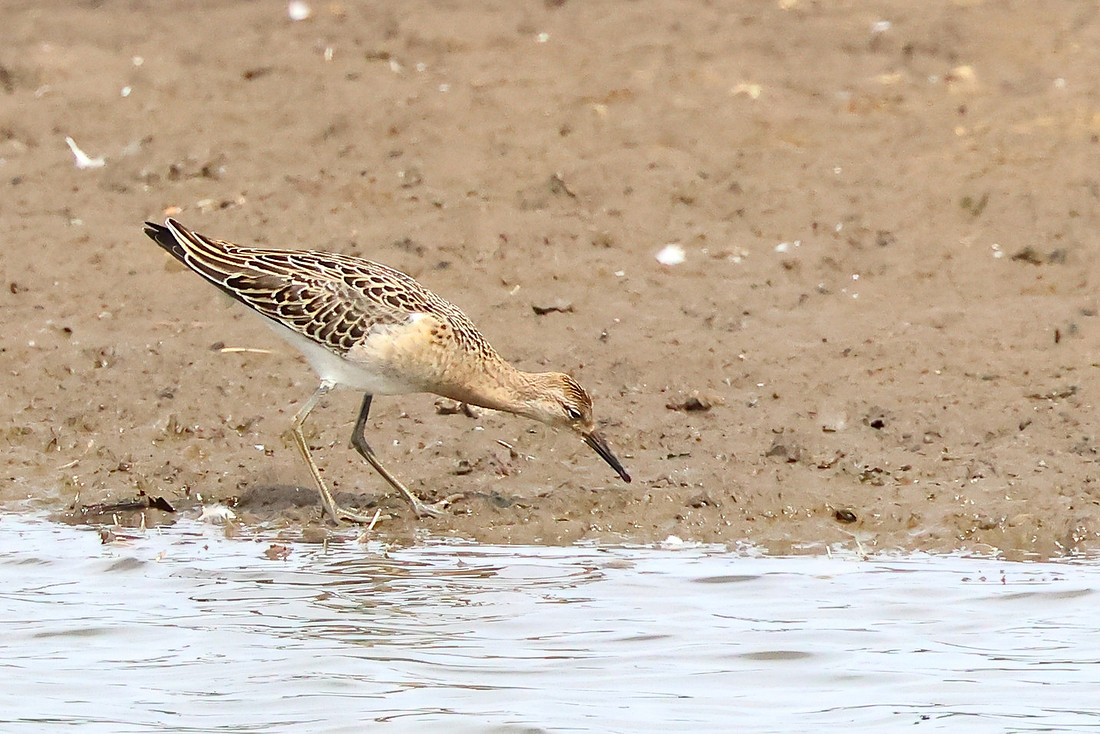
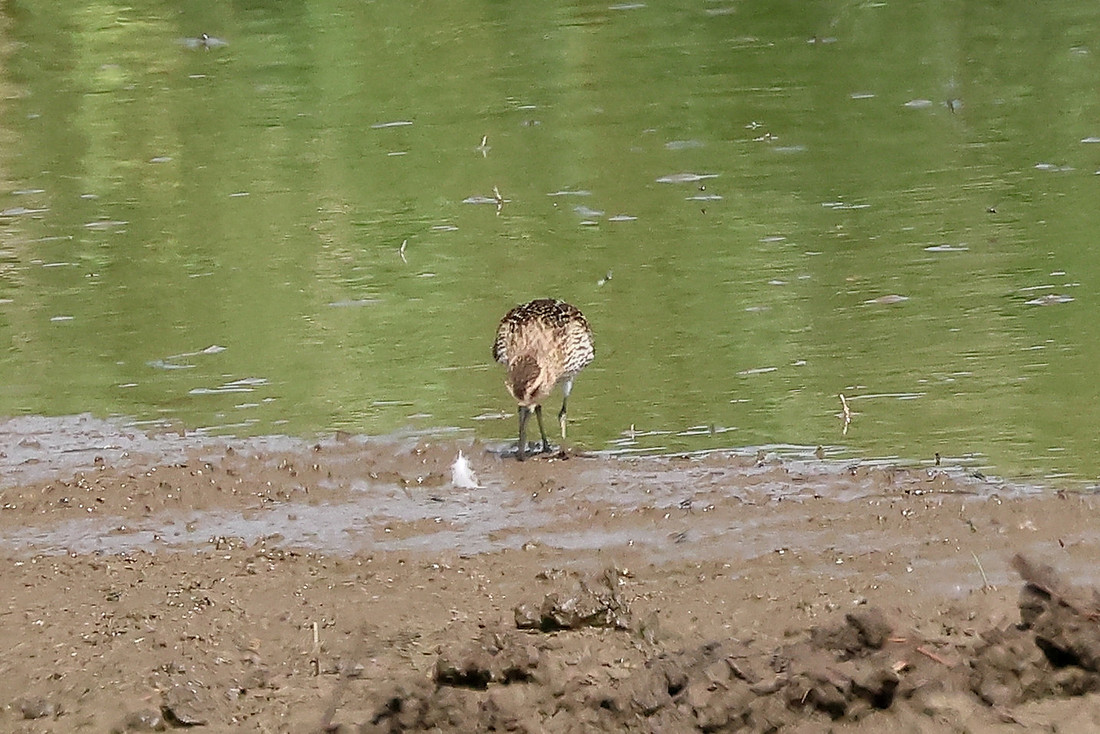
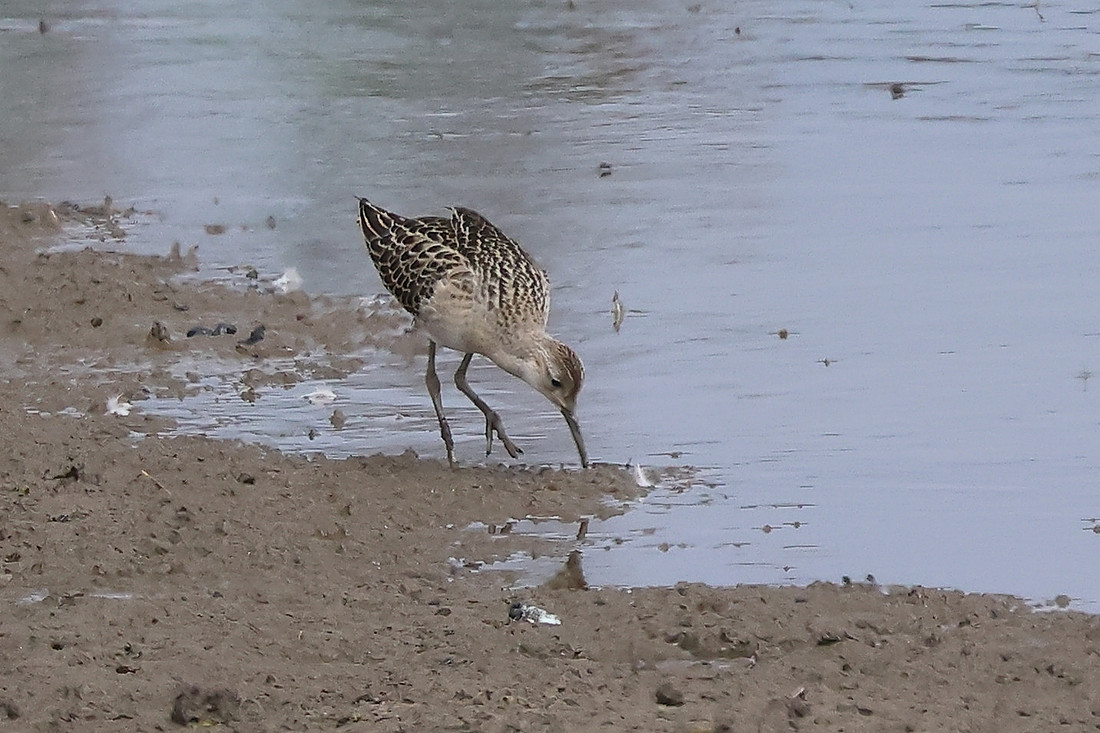
 August 6th: Blacktoft Sands - Waders!
...followed by a quick trip to Fairburn Ings, New Flash for a couple of glossy ibis.
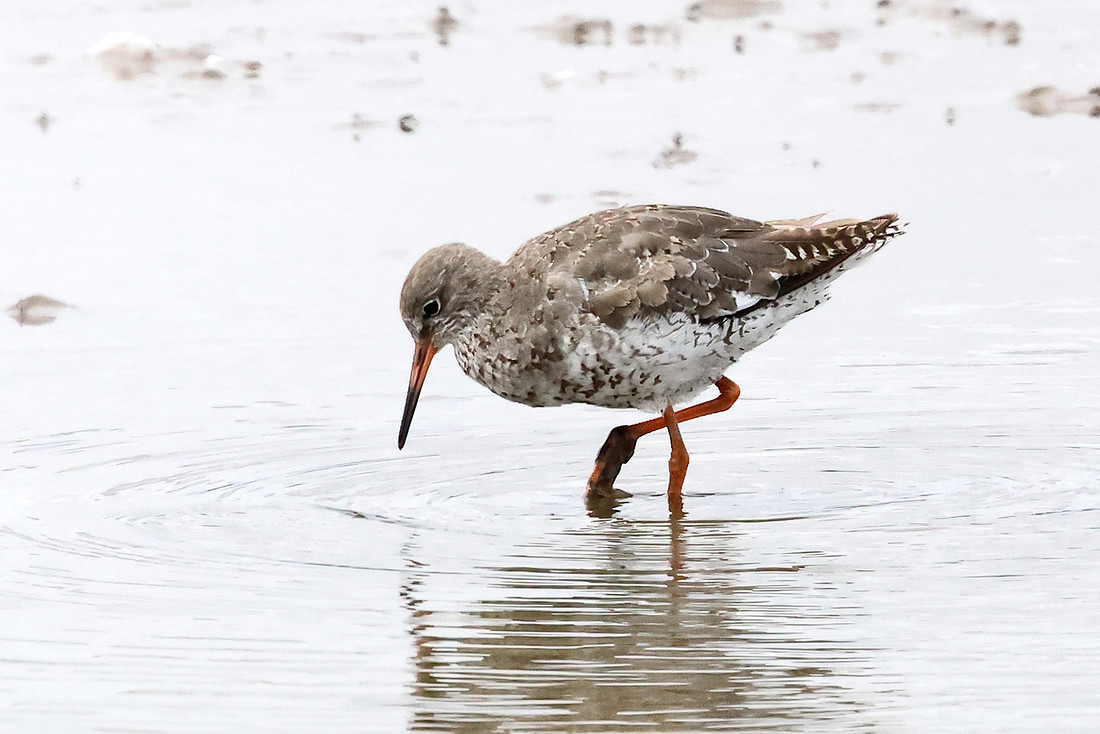
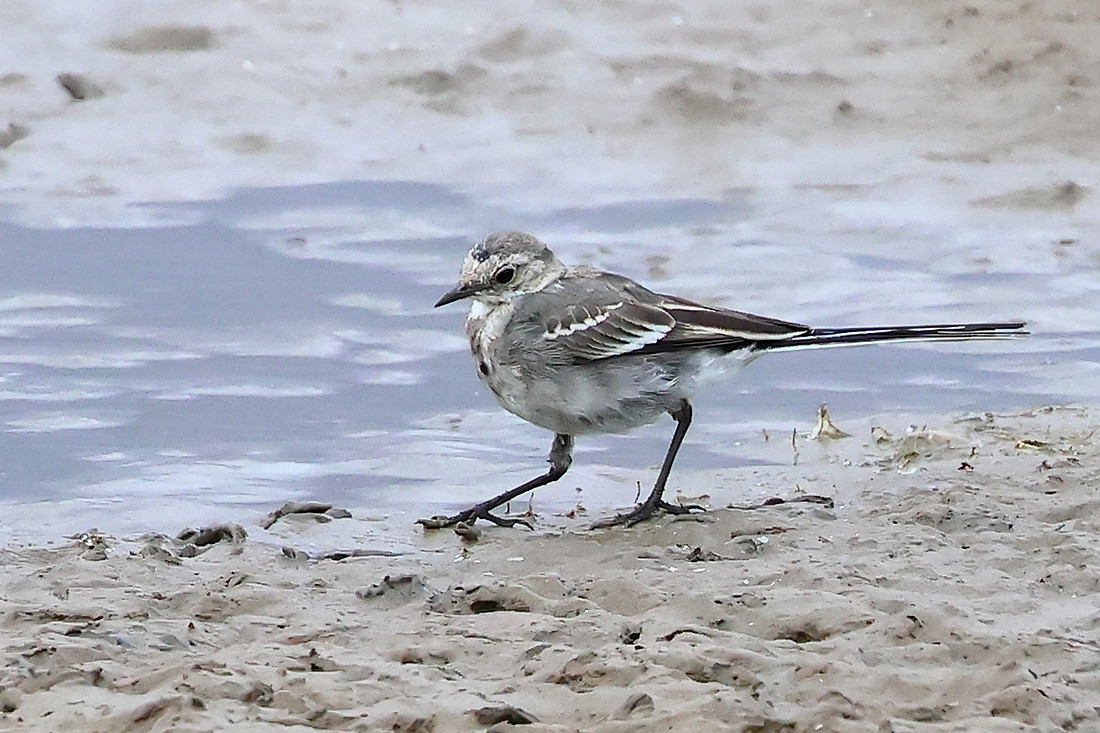
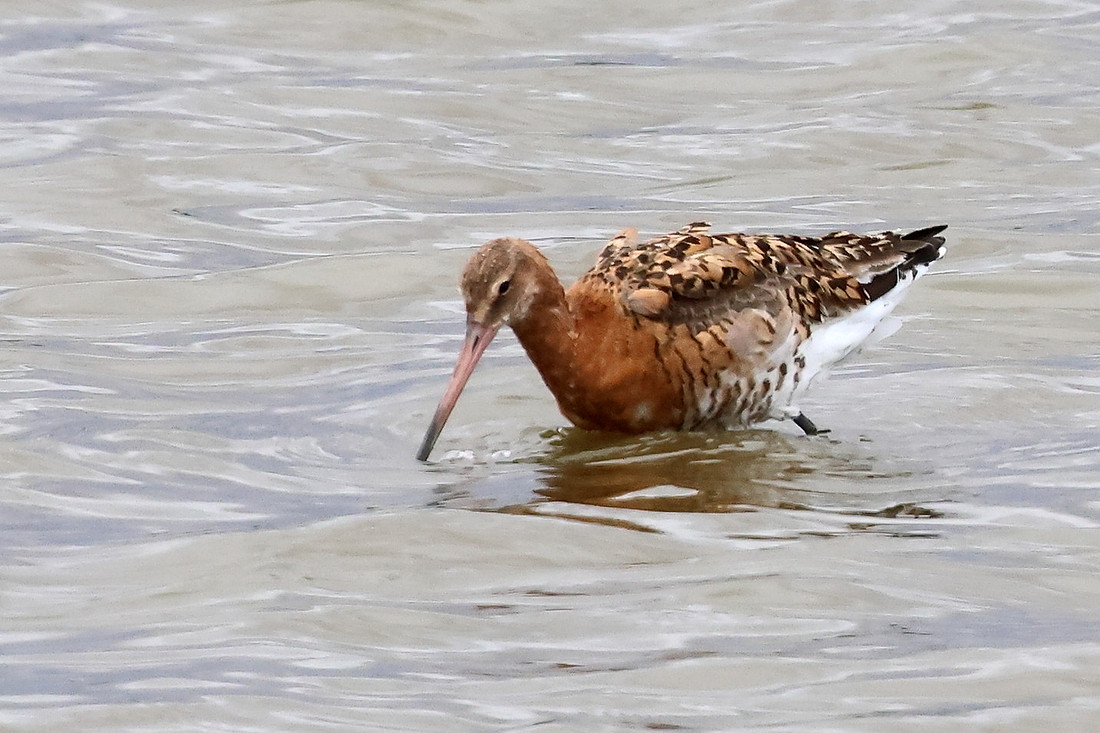
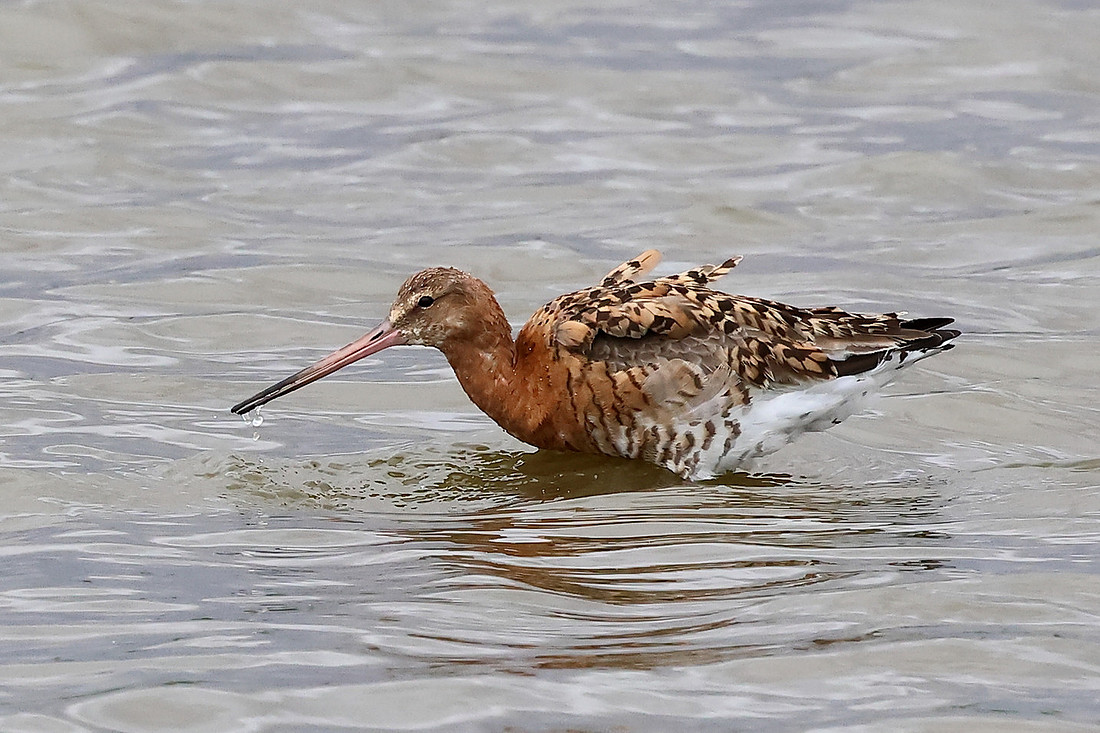
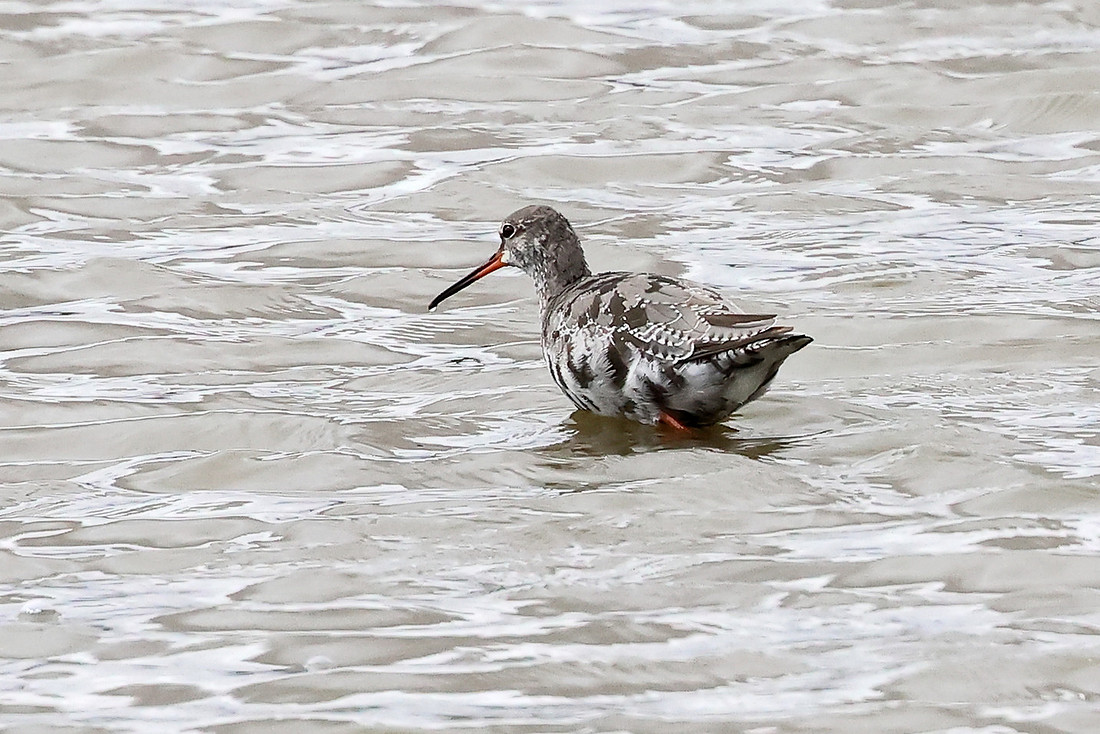
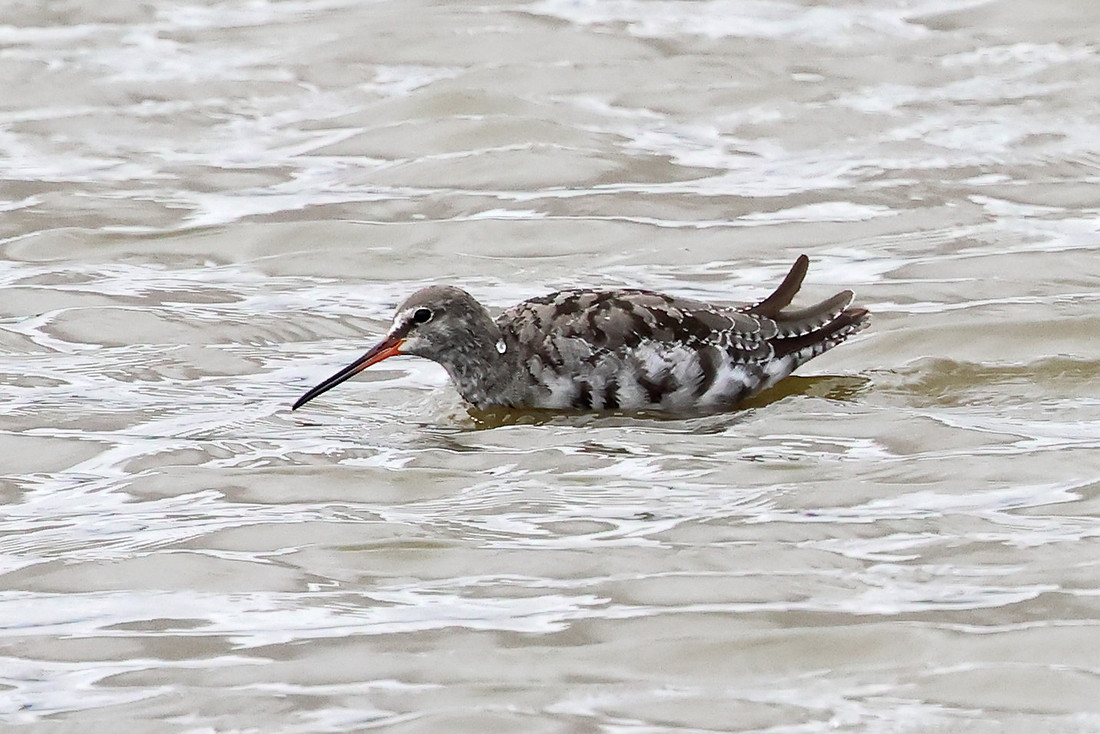
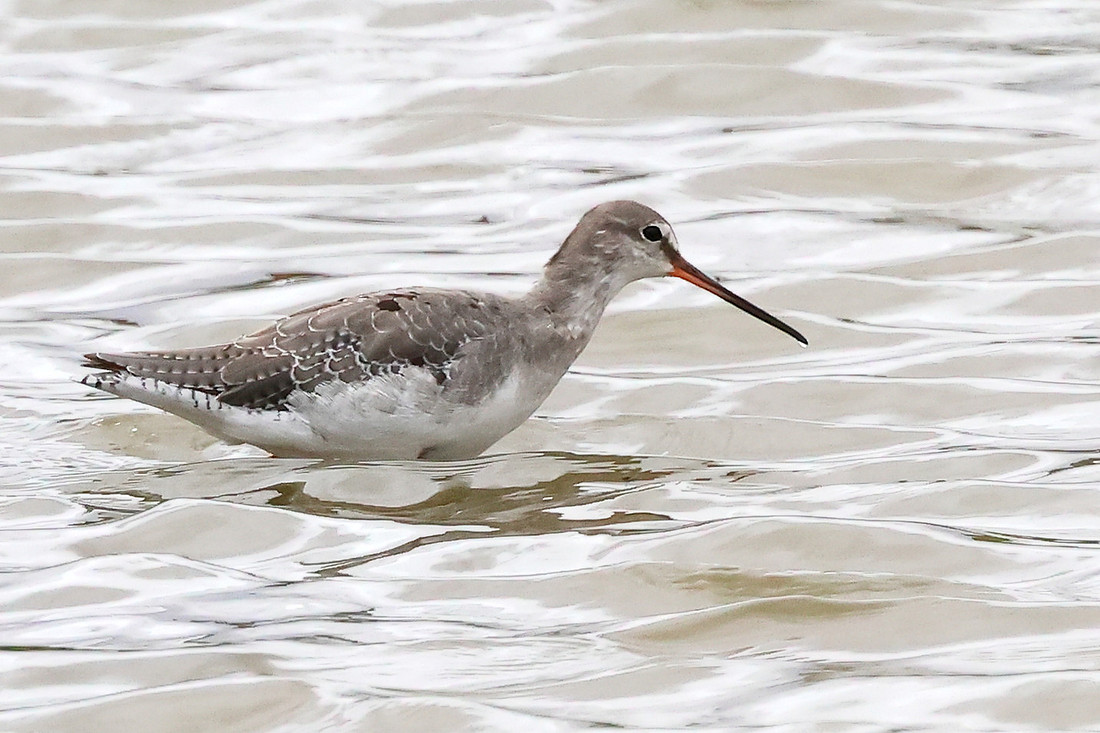
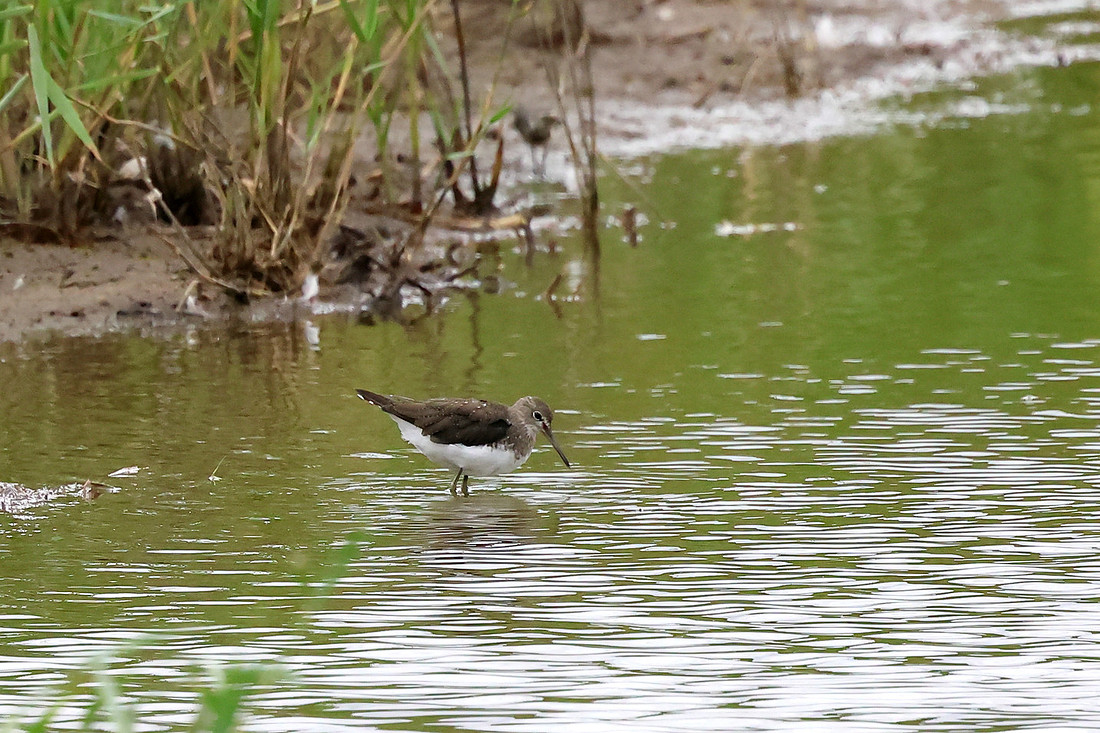
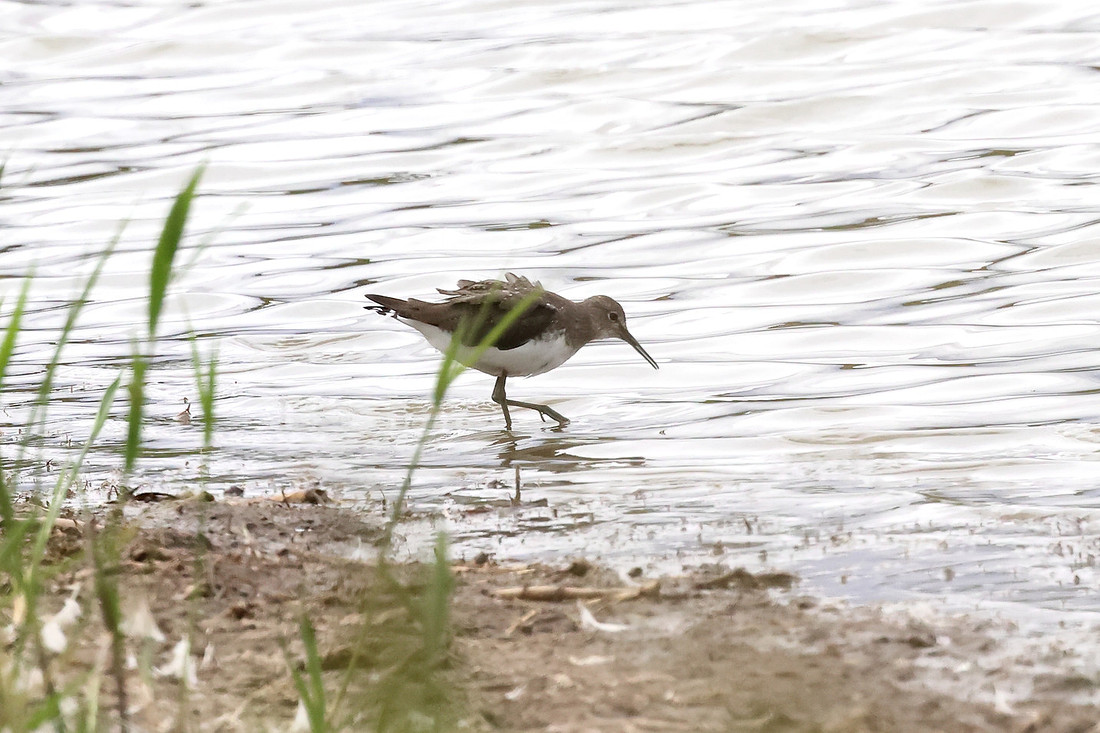
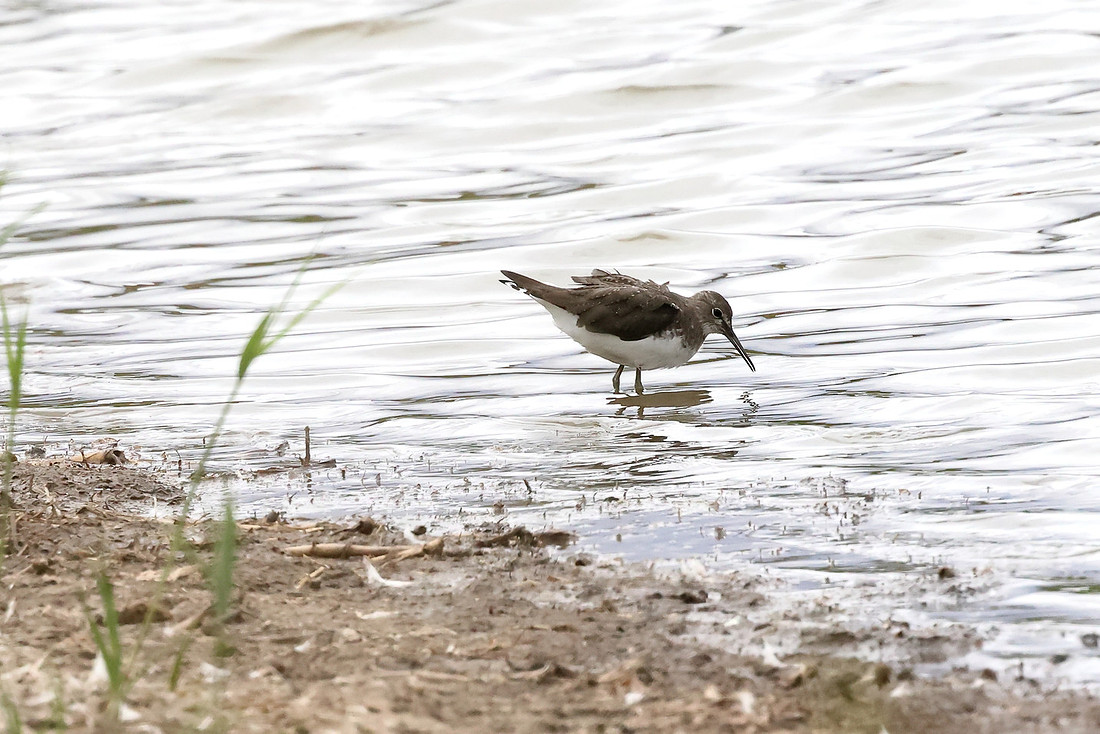
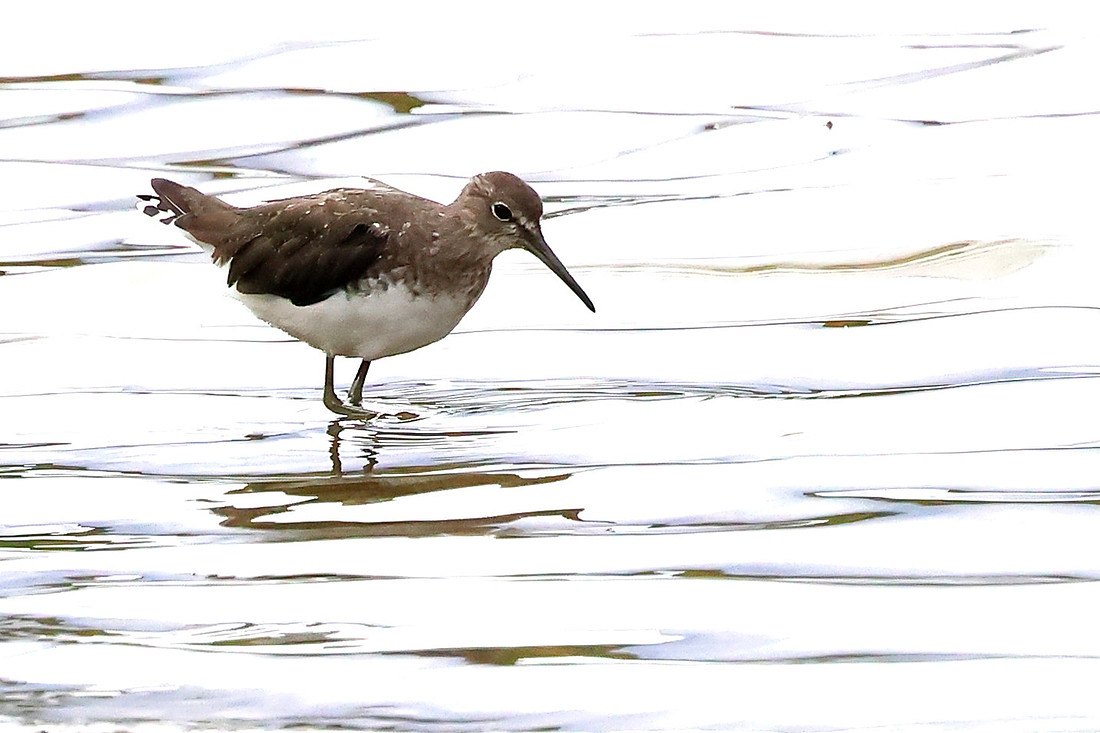
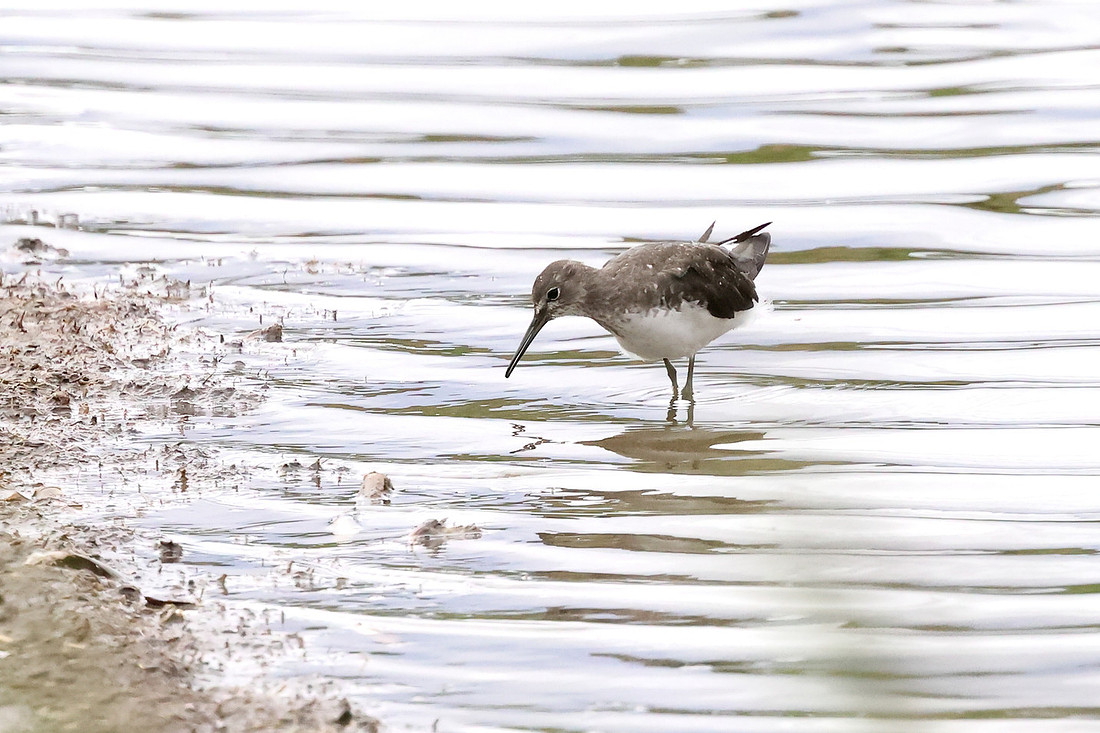
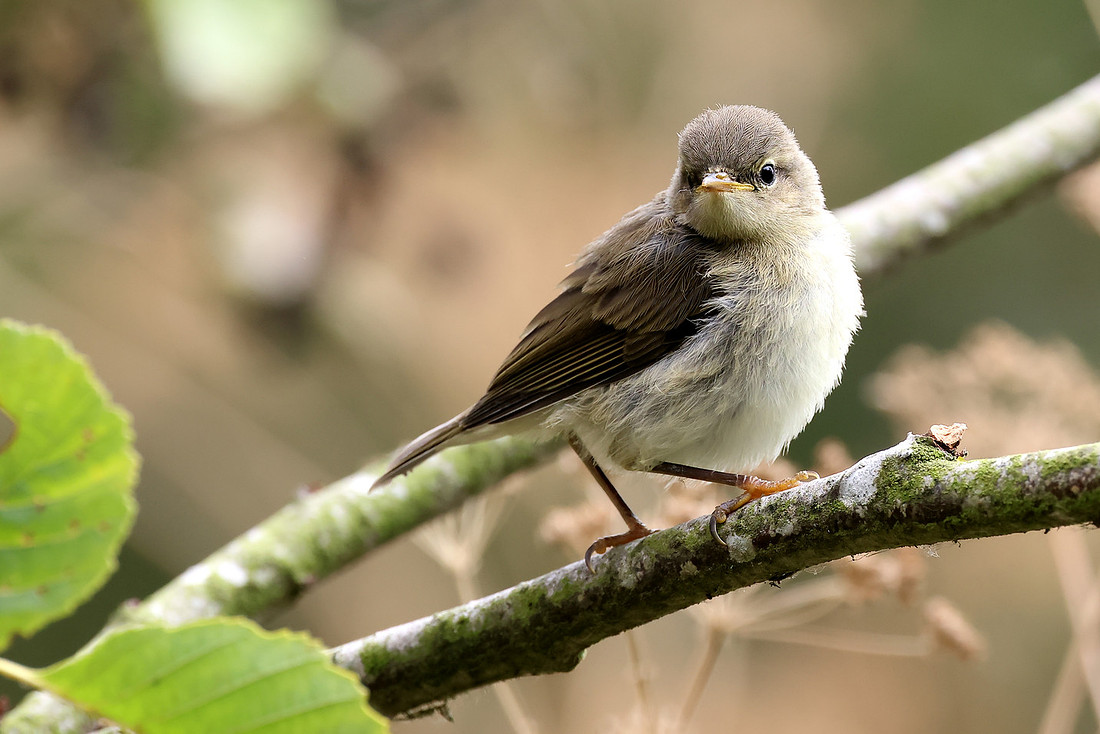 Chiffchaff juvenile
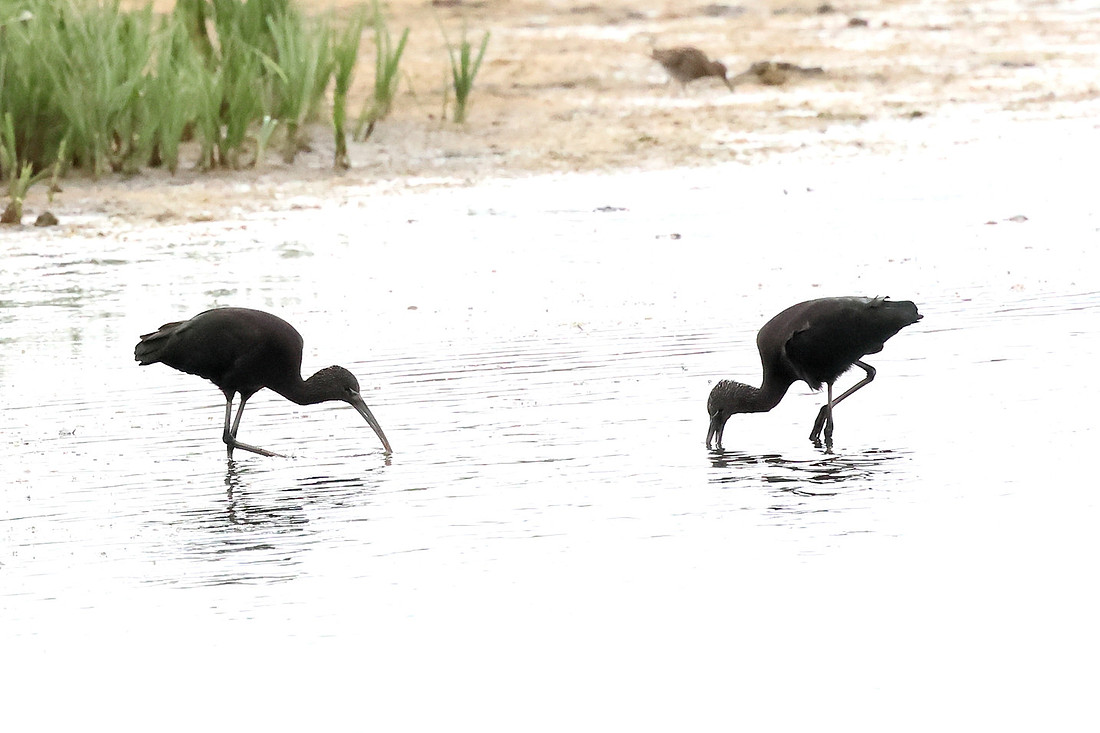
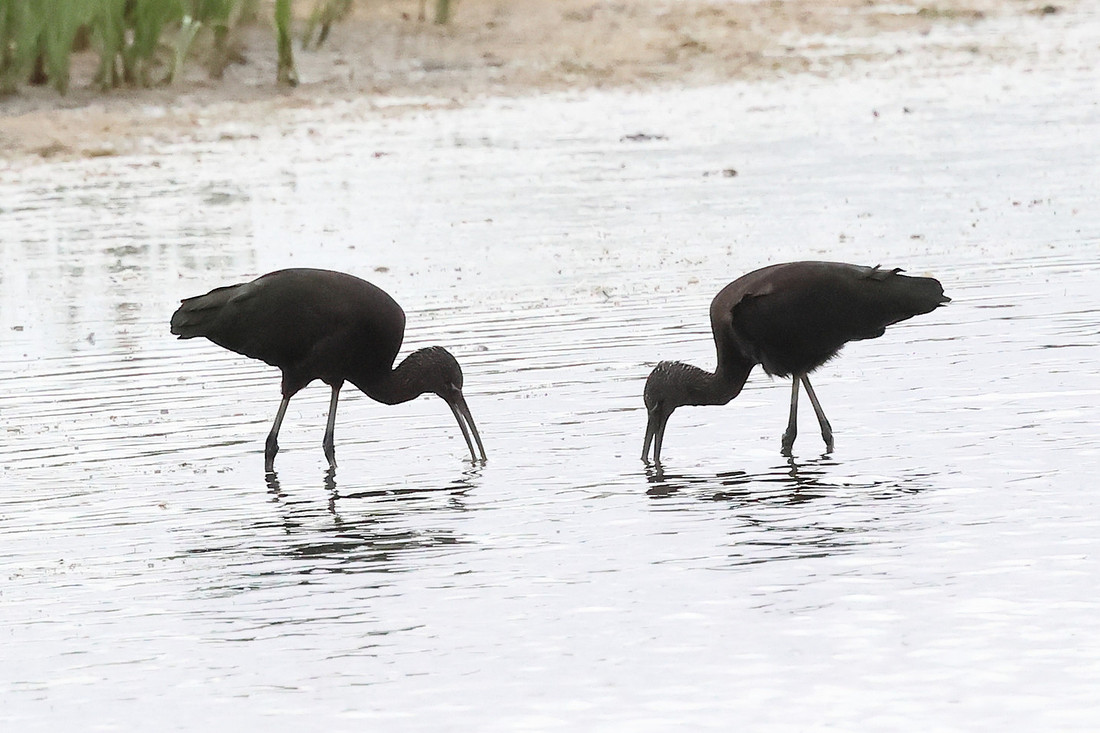
August 21st: Blacktoft
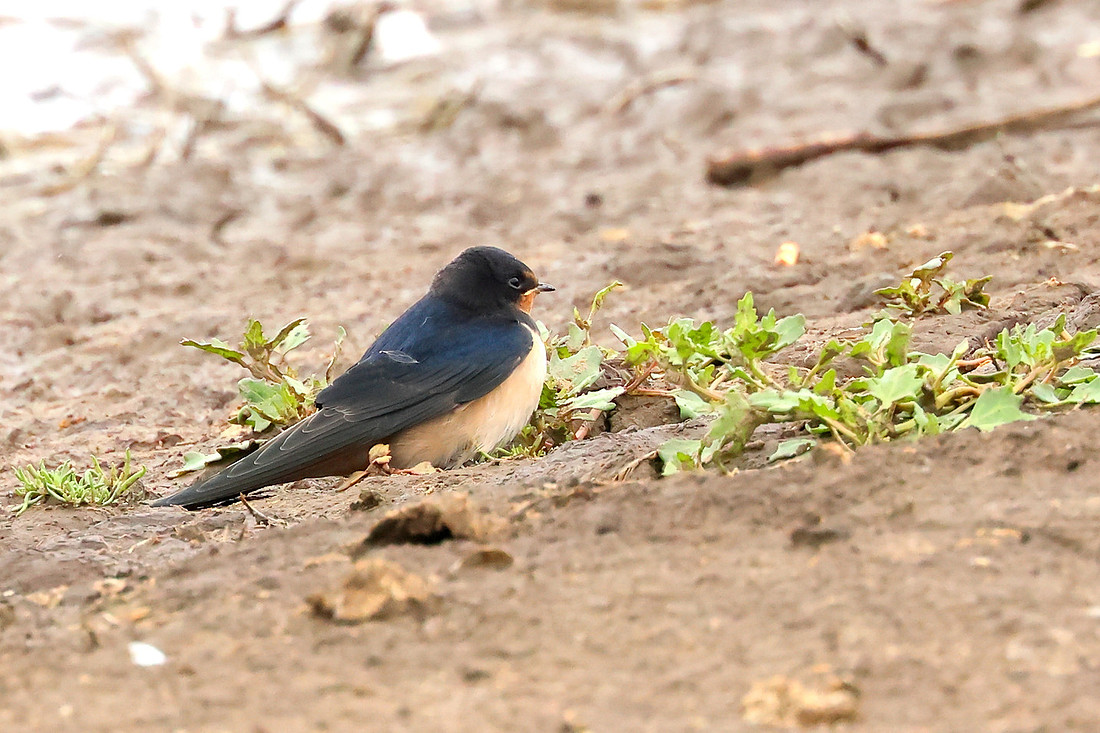
Swallow
August 24th: Hartlepool and Saltholme
A day out with Barry. We began at the Headland watching gannets and common scoter. A guillemot came close as did a few terns. Nothing out of the ordinary. We moved on to Newburn Bridge.
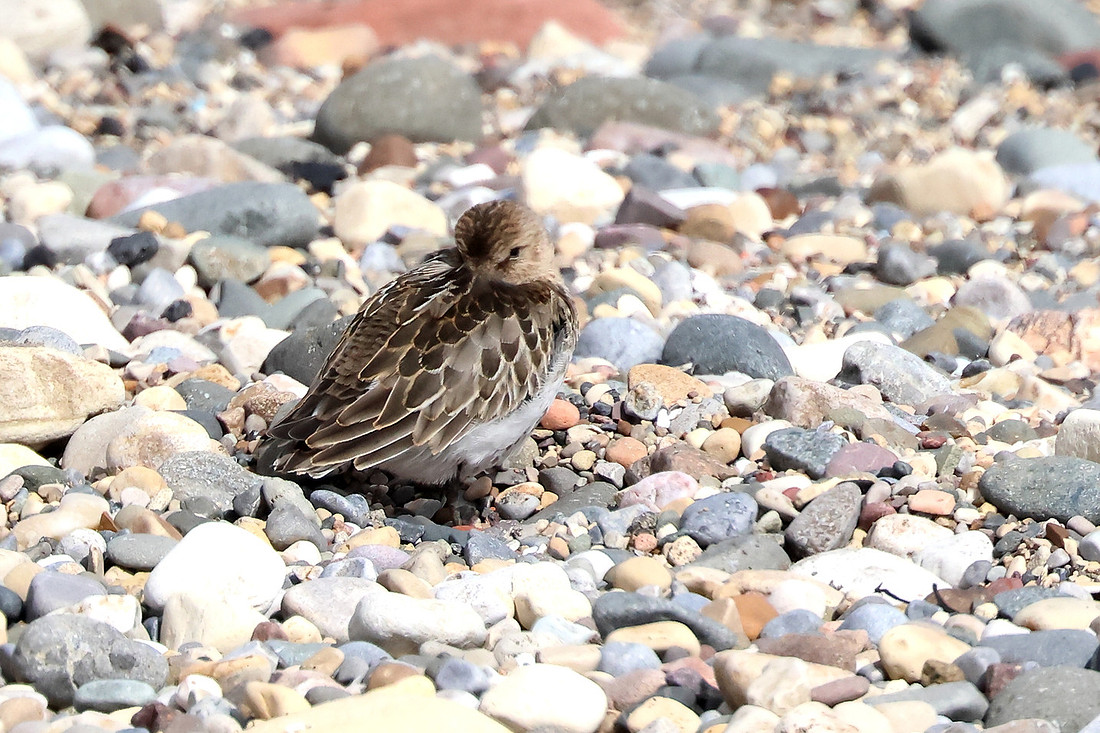
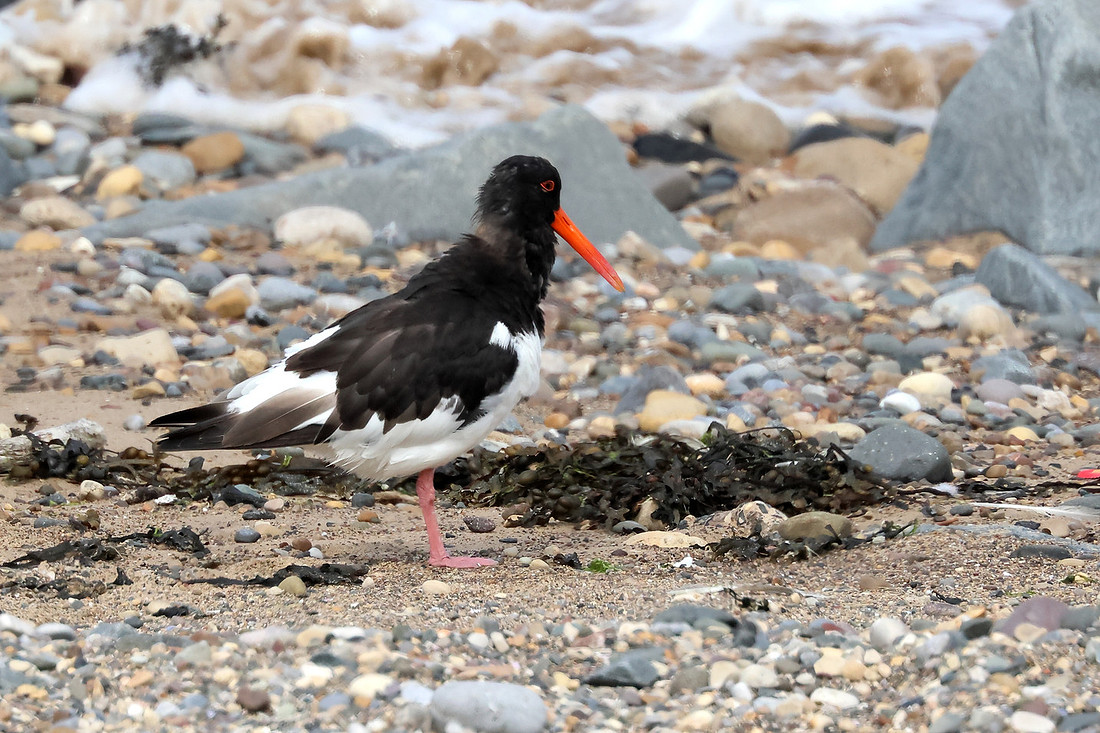
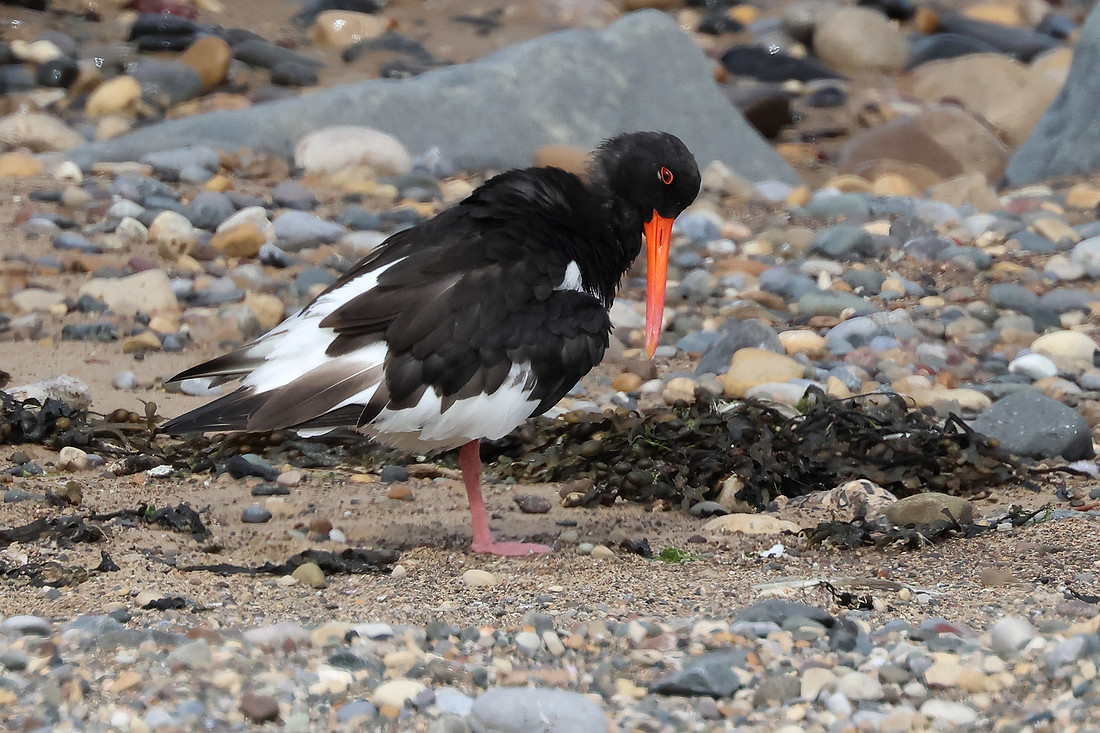
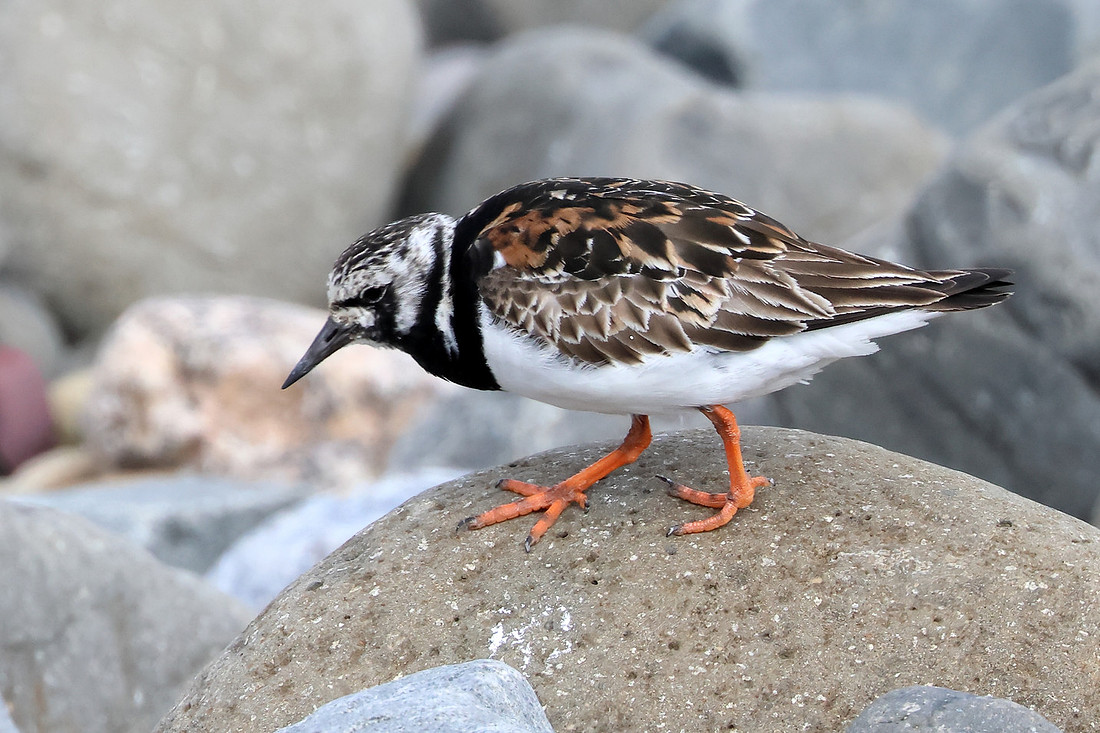 Saltholme
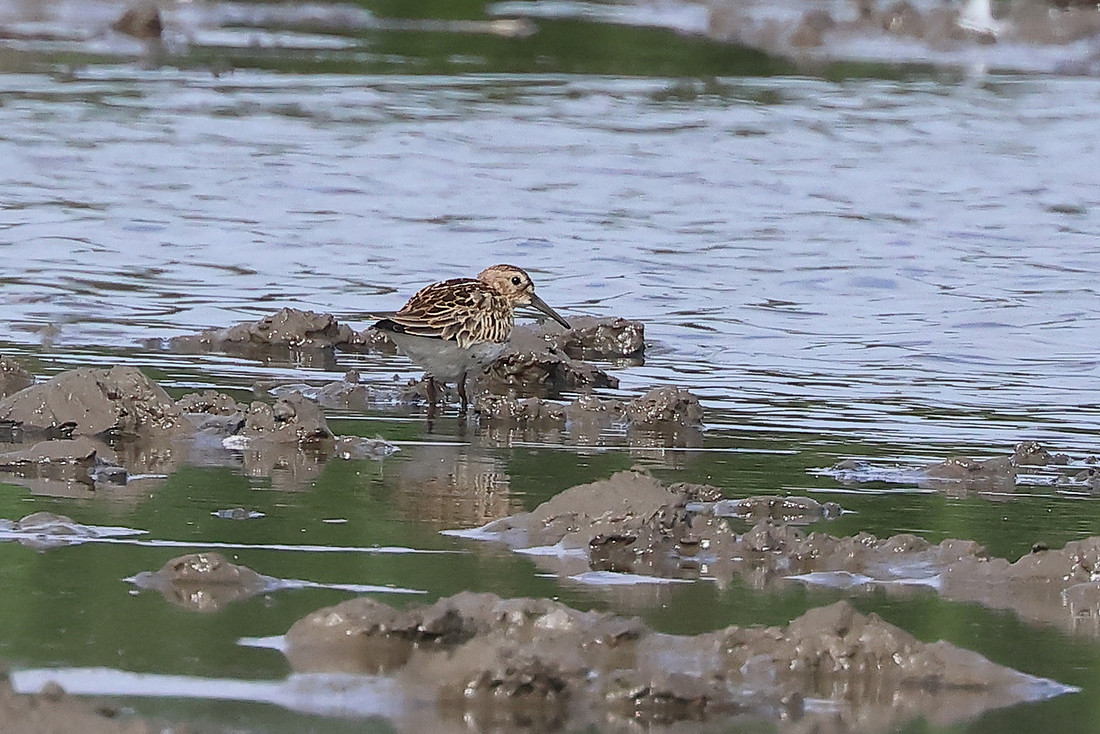


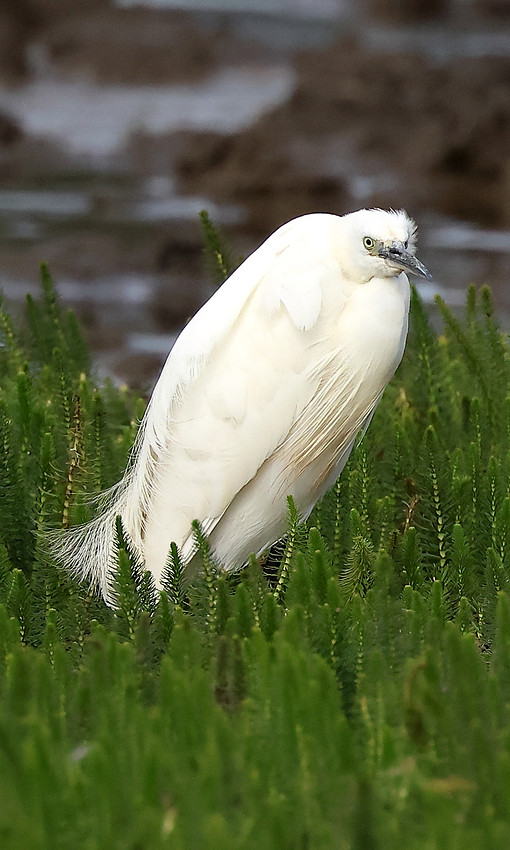
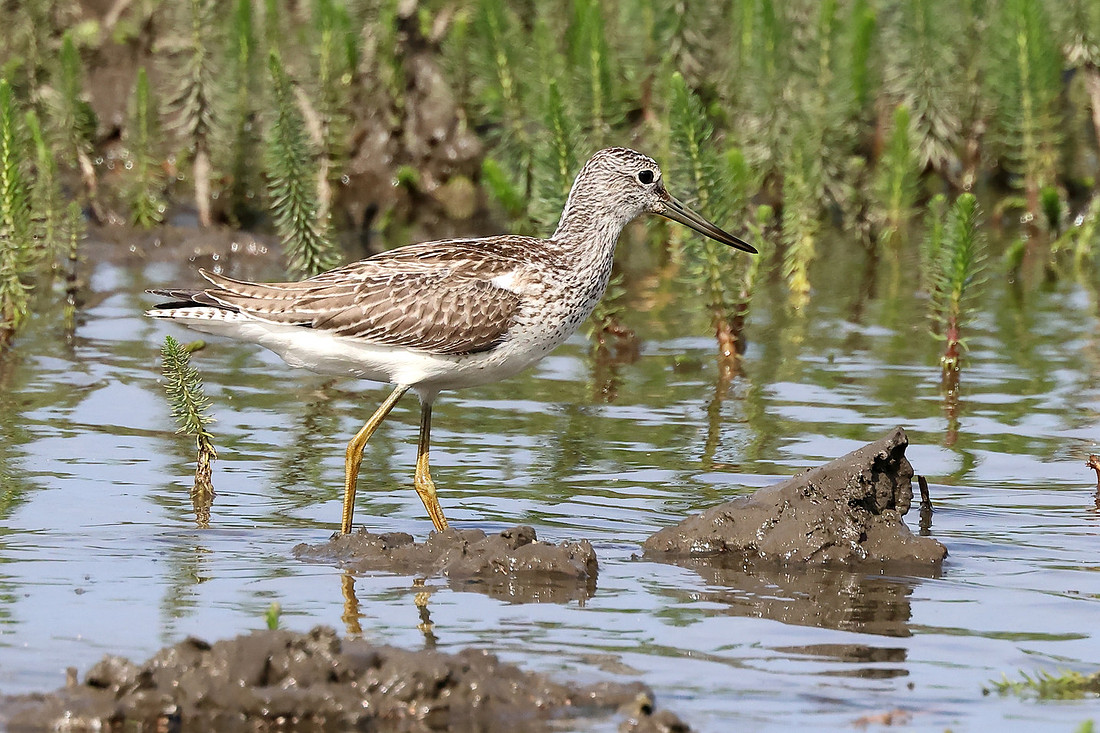
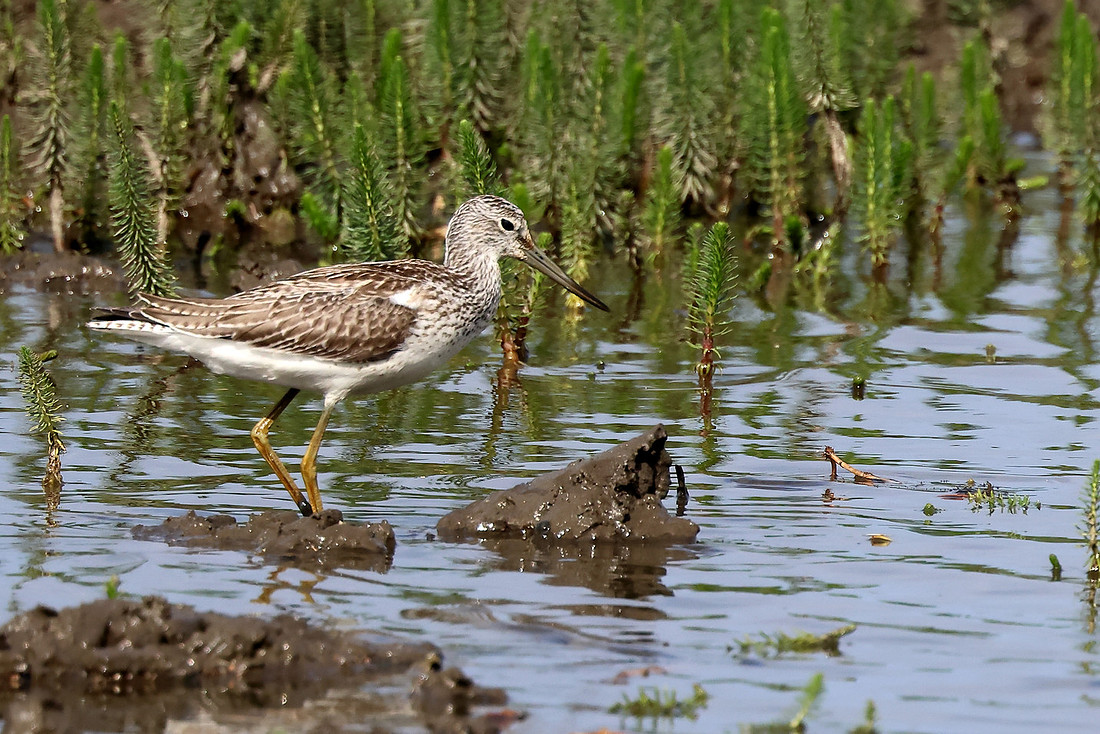
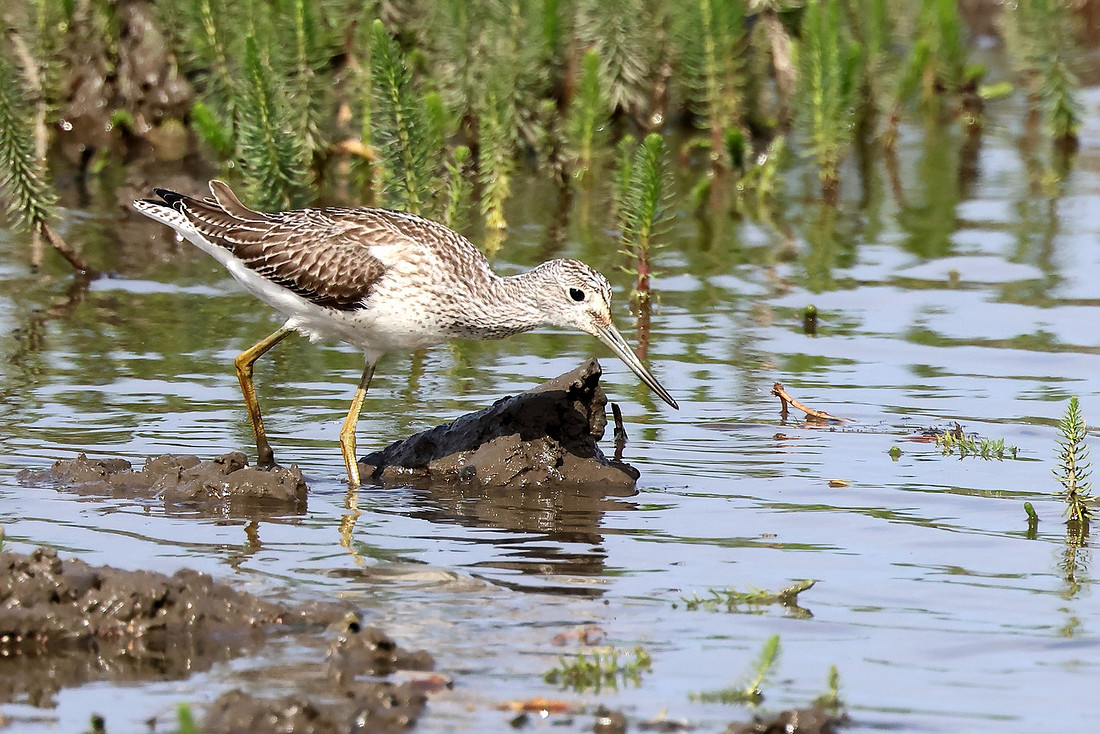
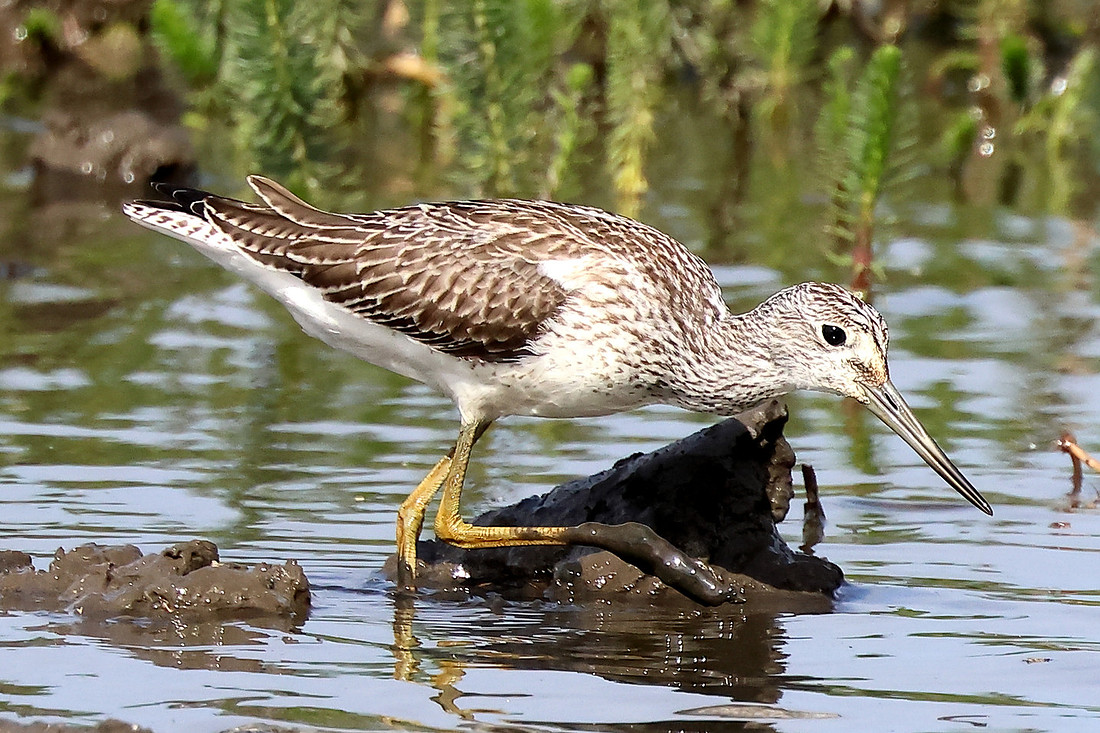
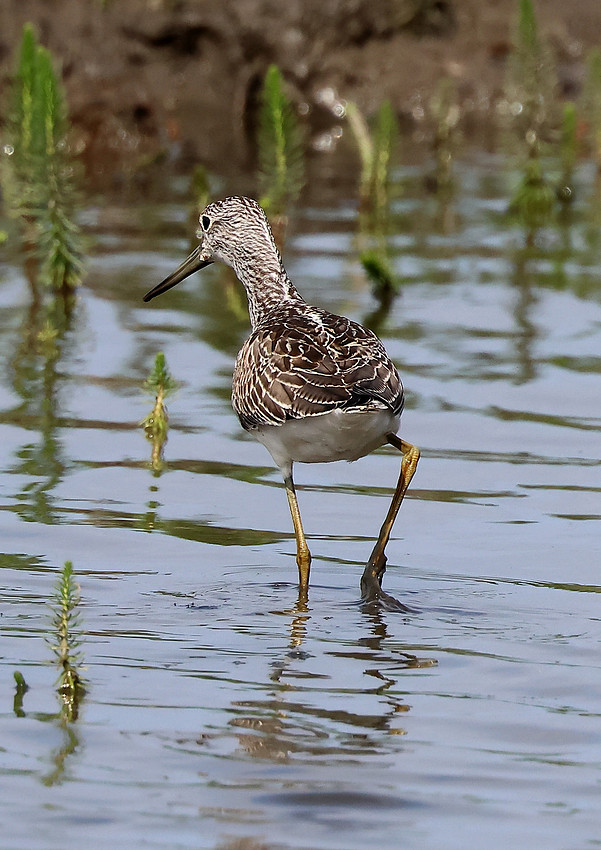
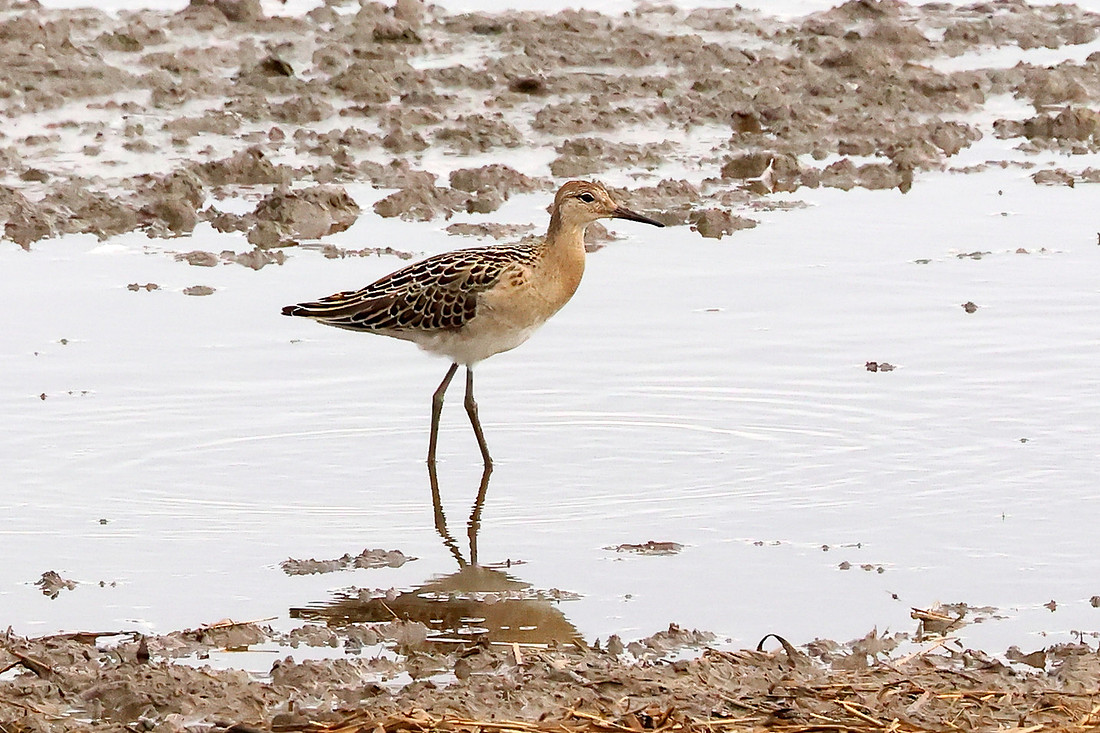
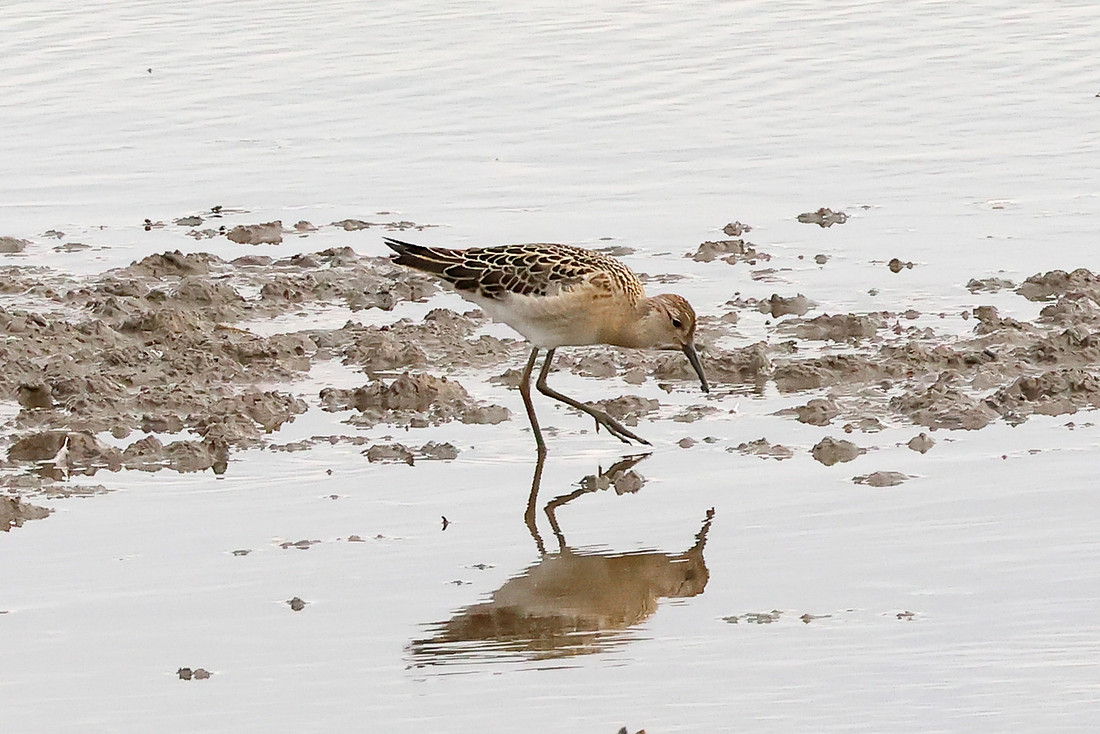
August 28th: Morning trip to Blacktoft Sands
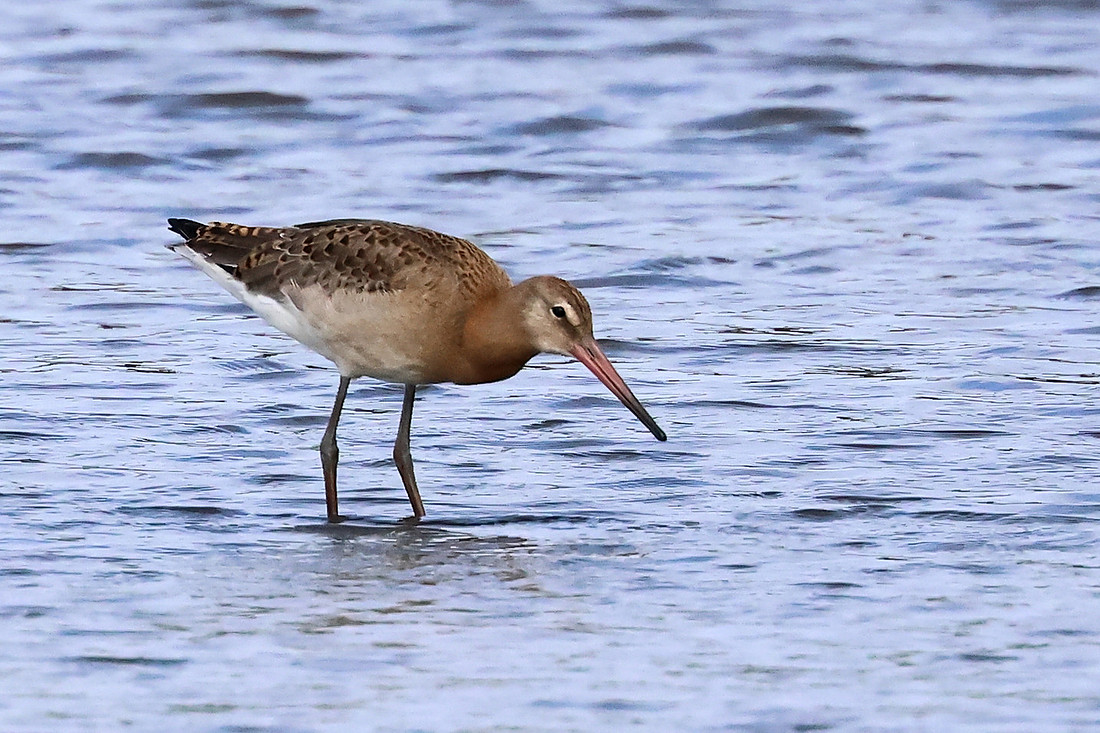
Waders again but I'm certainly not complaining!
The vegetable garden 2026
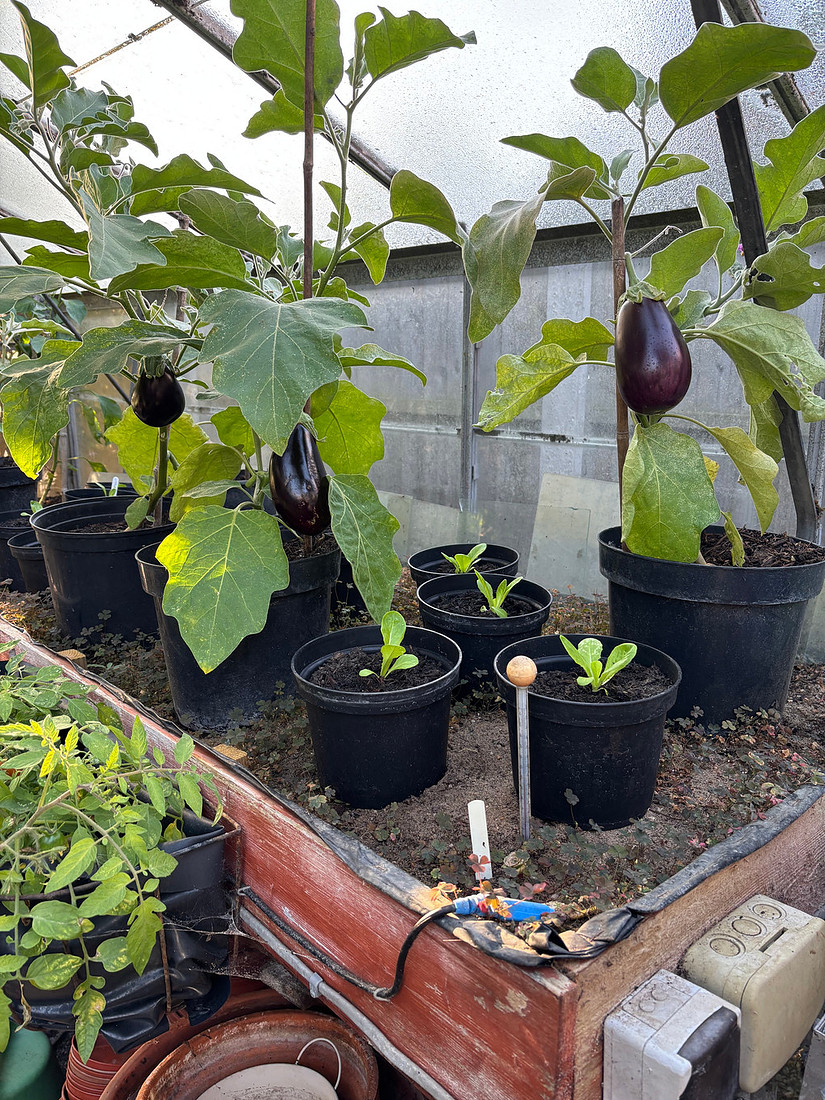
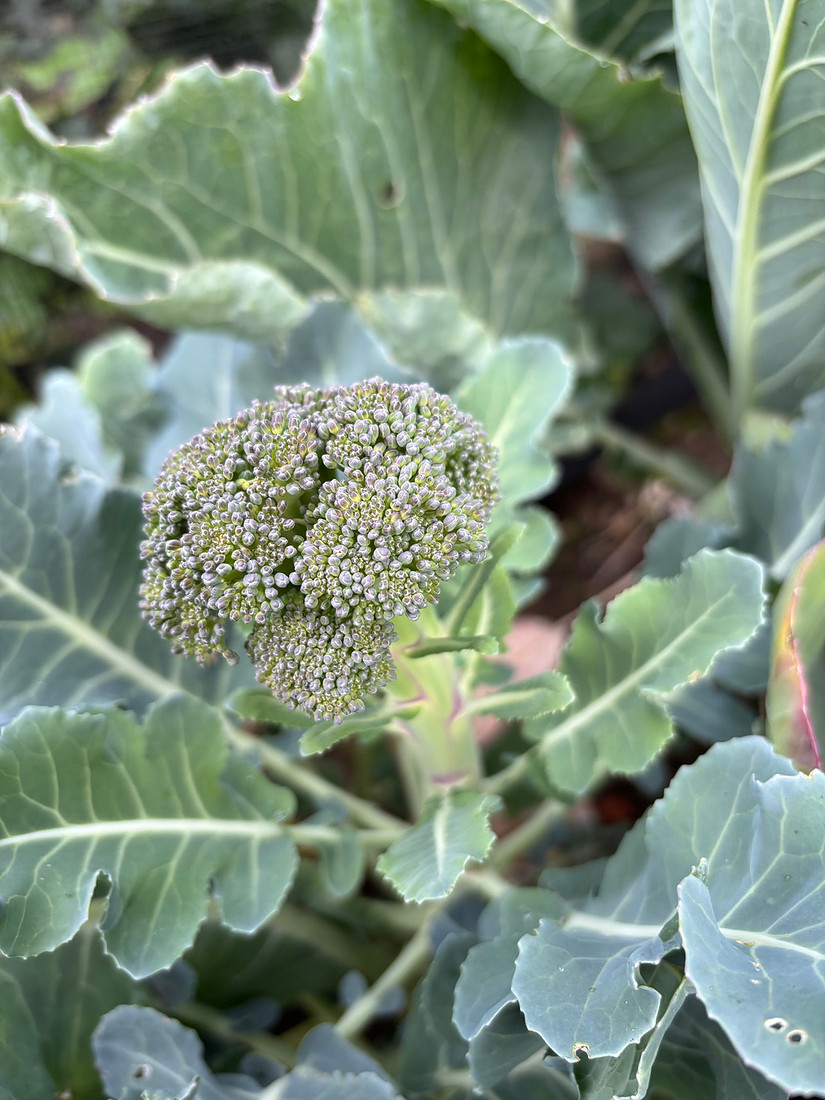
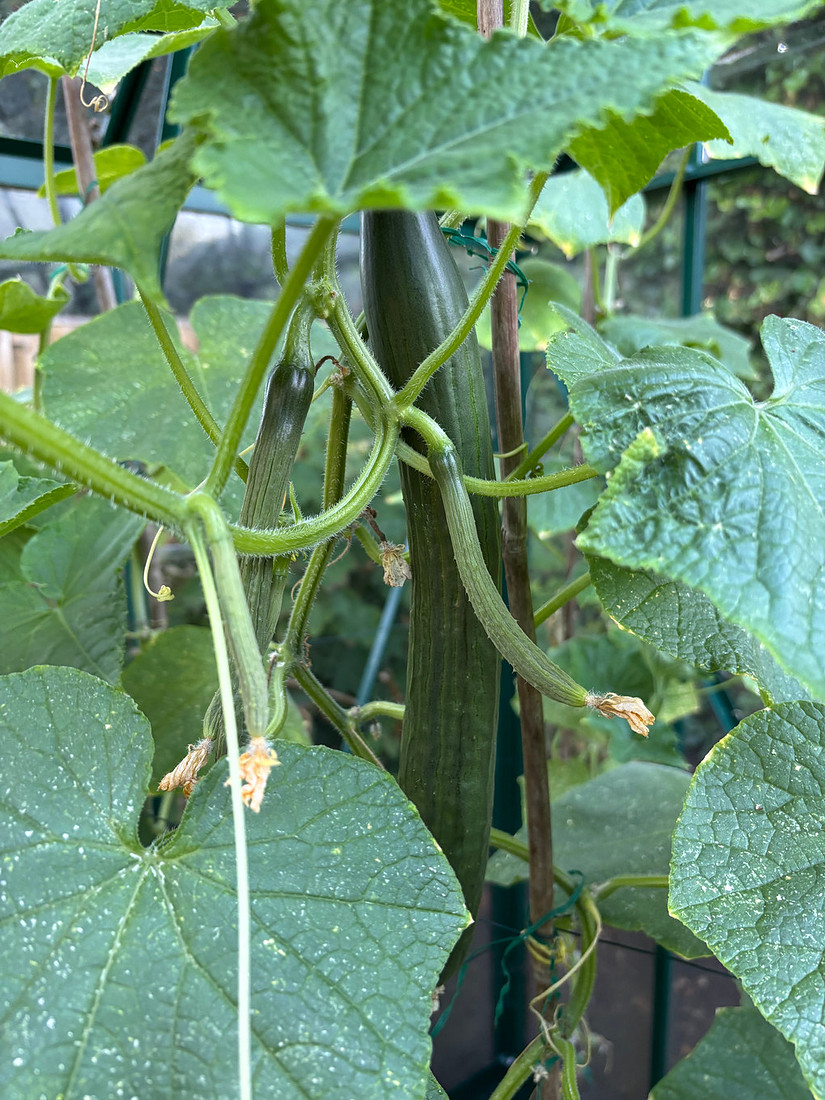
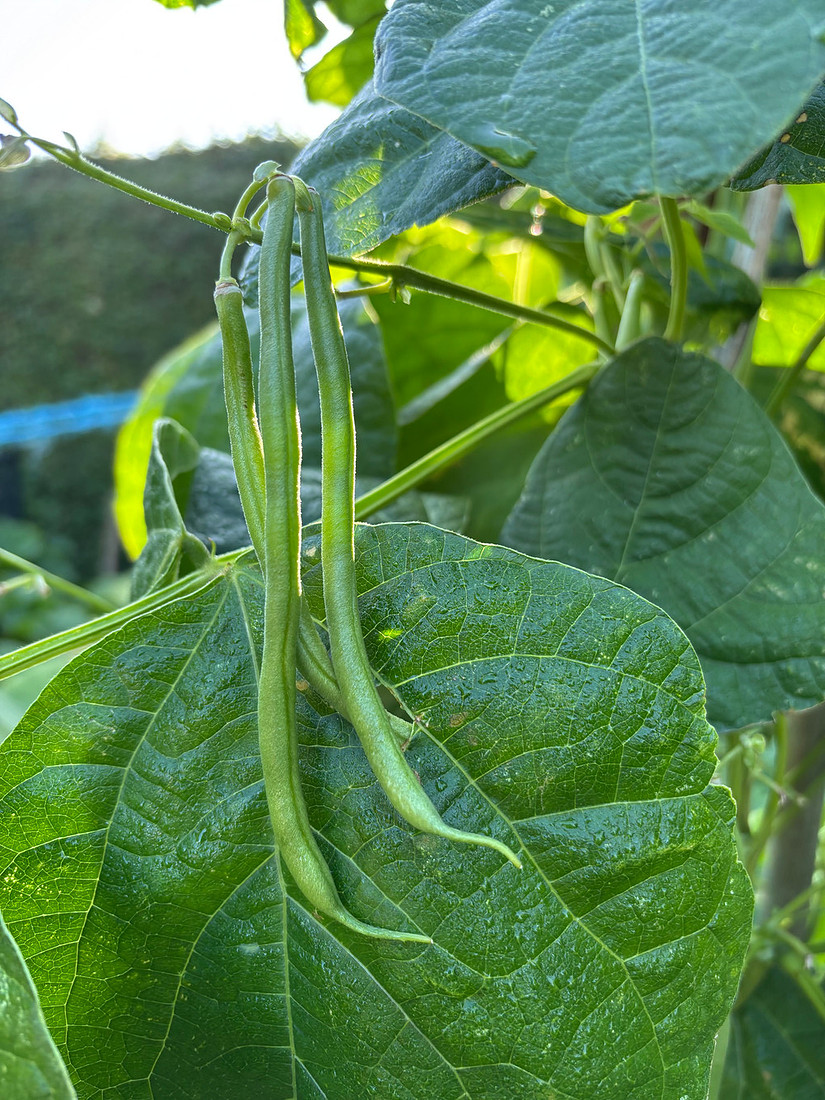
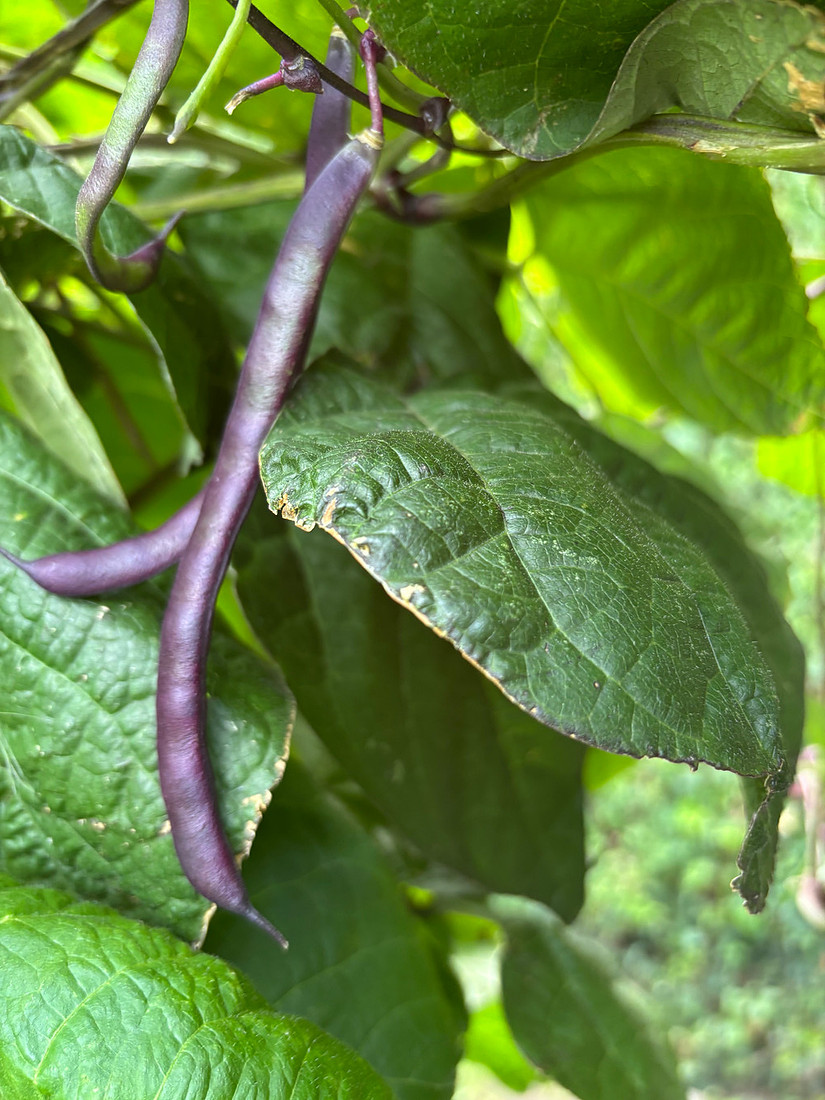
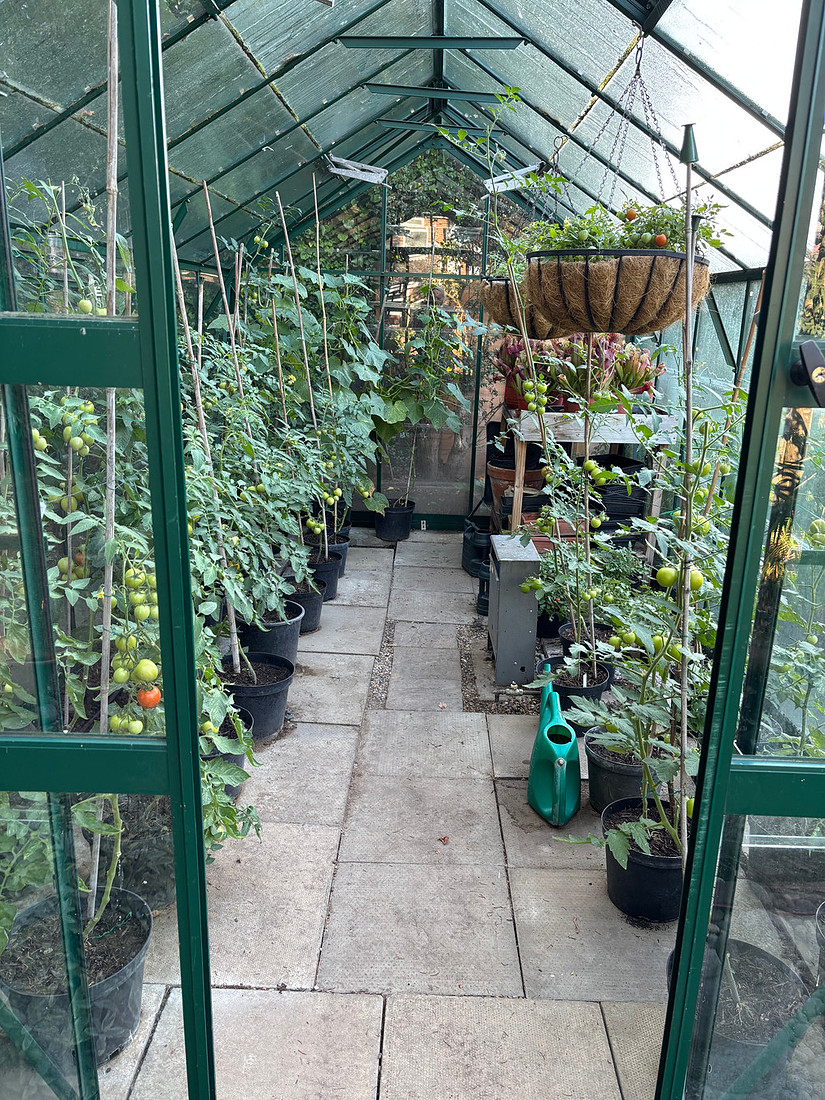
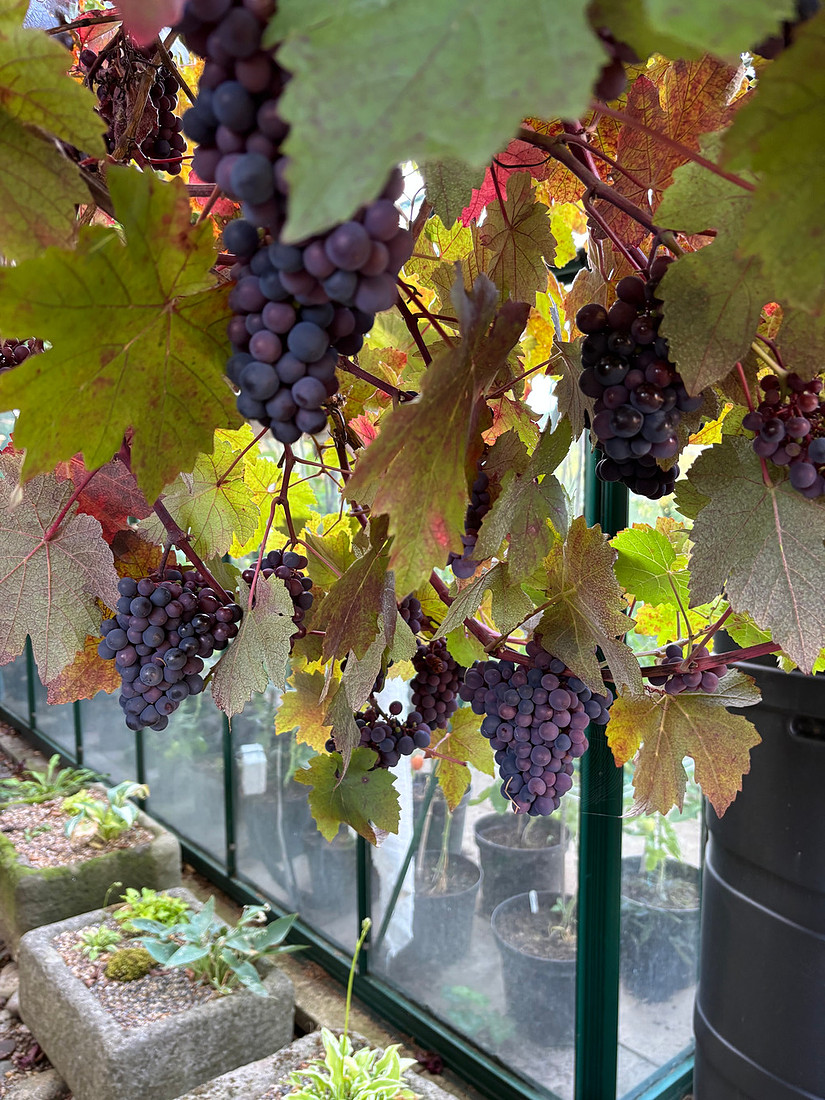
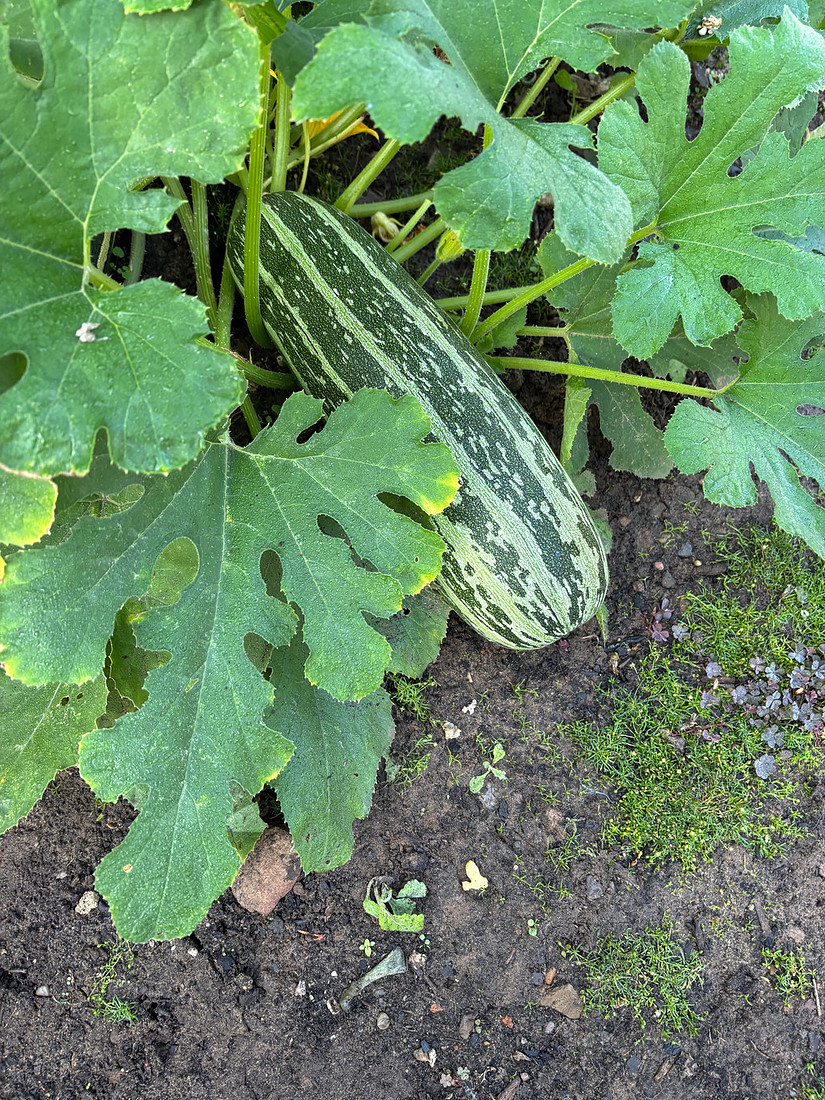
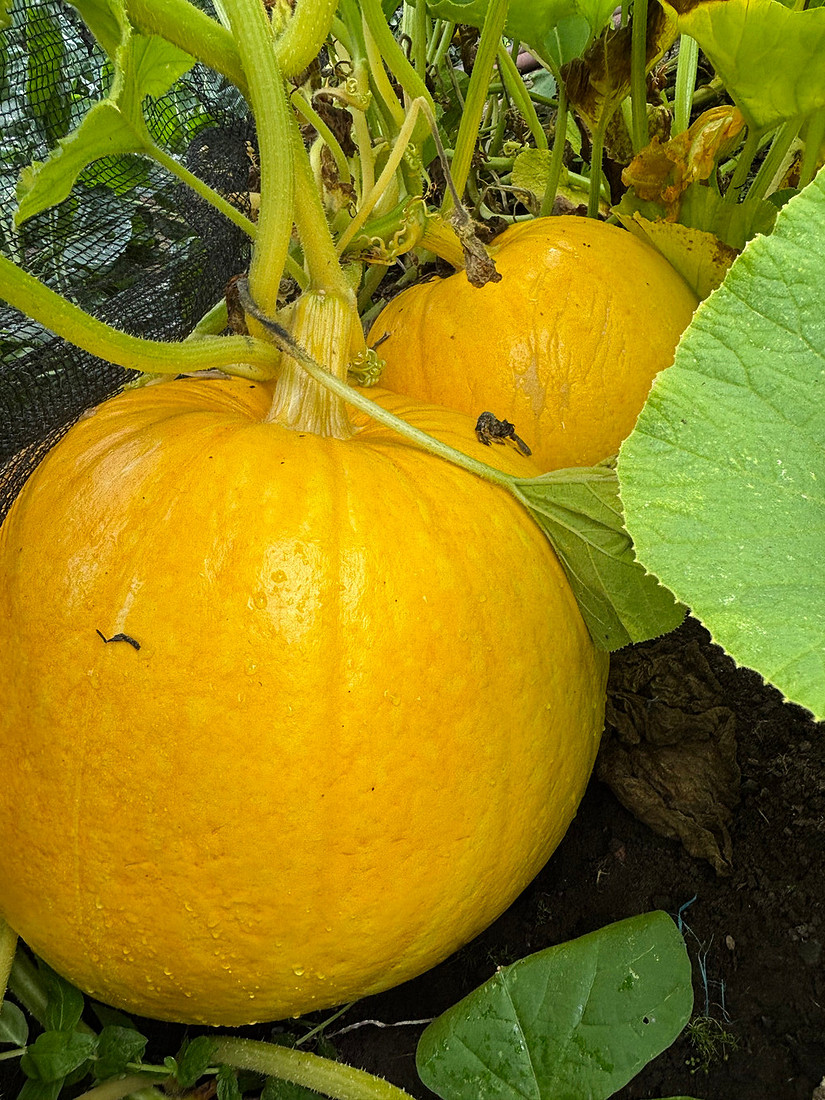
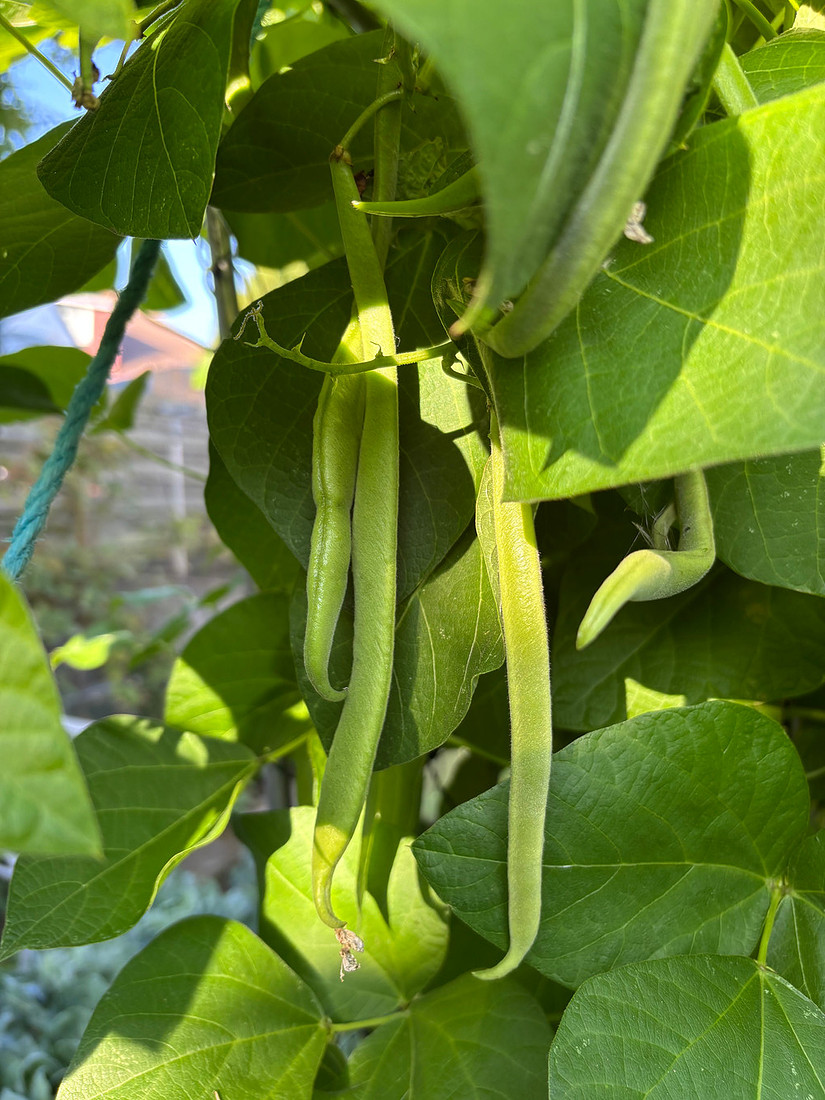
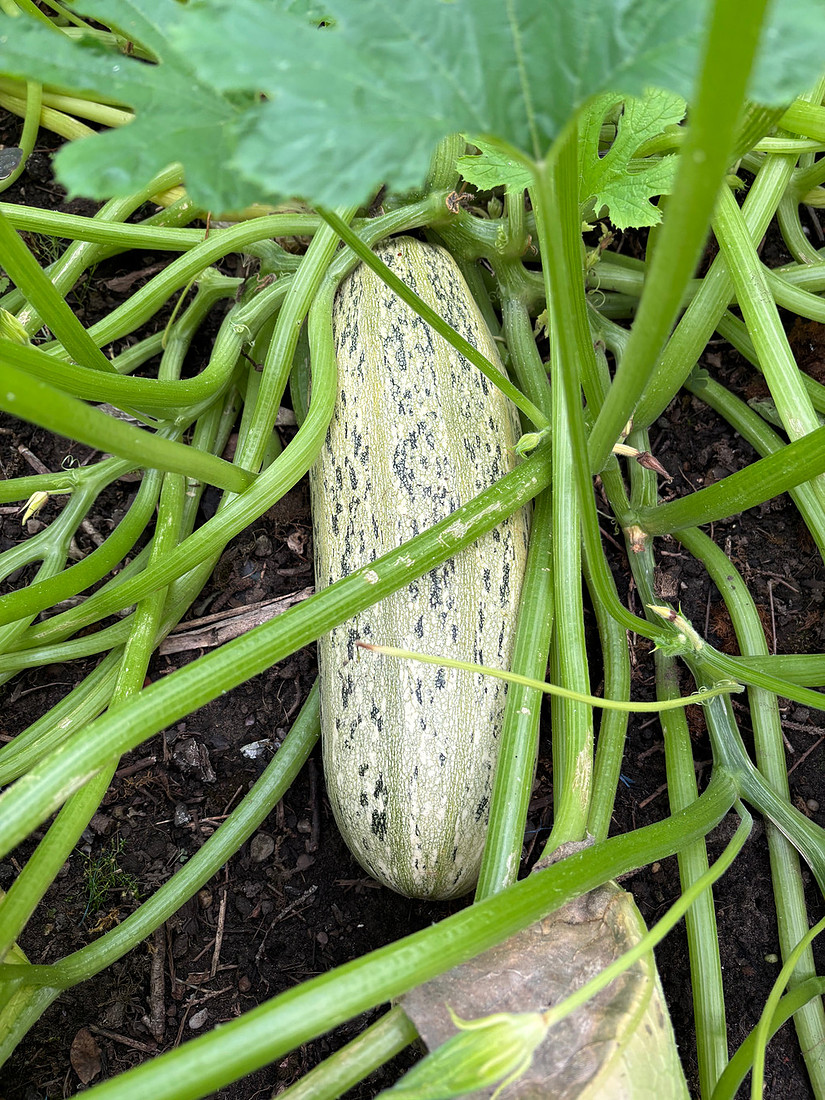
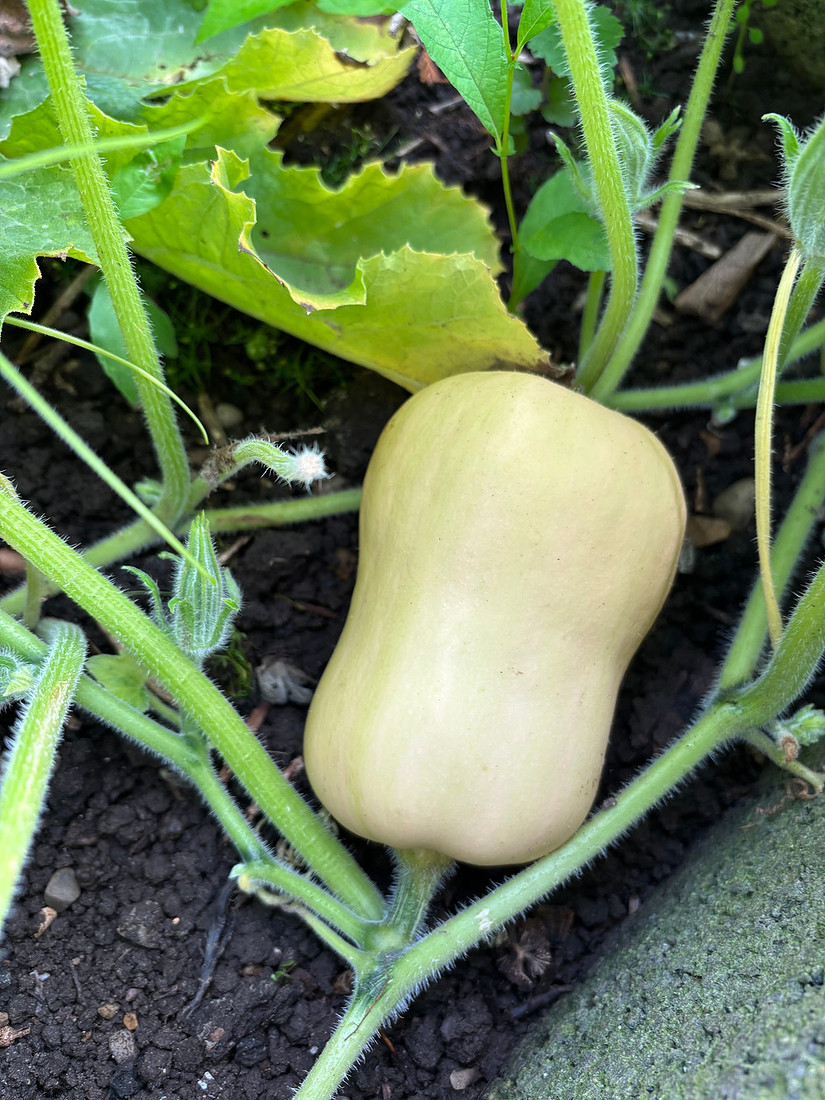
158 UK 2026
Comments
Because membranes are hidden once construction finishes, the quality of installation matters as much as the material itself. Proper substrate preparation (a clean, dry, crack-free surface), correctly sealed seams and overlaps, adequate curing time, and protection during subsequent work like backfilling or tiling are all essential to a lasting waterproof system. When these steps are skipped or rushed, water eventually finds its way through — leading to problems like concrete spalling, corrosion of steel reinforcement, mold growth, rot, or even structural failure over time. For this reason, most waterproofing failures in practice trace back to poor workmanship or detailing rather than a defect in the membrane material itself, which is why proper design, drainage planning, and skilled application are just as important as choosing the right product.